
Updated: August 14, 2026
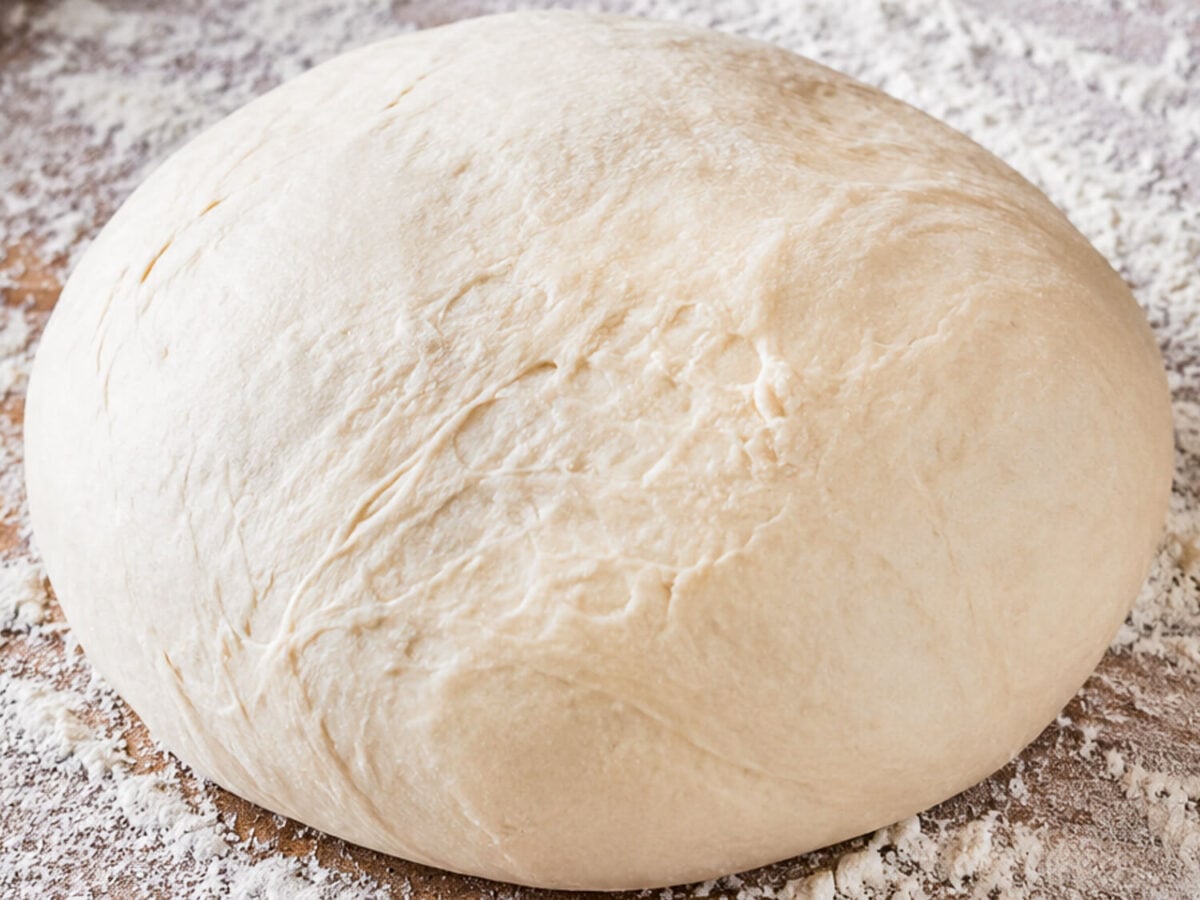
This easy pizza crust recipe was inspired by readers who love my authentic Italian pizza dough but don’t always have access to 00 flour. So this is a slightly different recipe than the original. While that recipe leans into traditional Italian techniques and specialty pizza flour, this is my family’s go-to pizza dough recipe for everyday pizza night. Made with all-purpose flour and a handful of basic ingredients, I’ve tested this homemade pizza crust multiple times for an easy, dependable dough that bakes up crisp on the outside with a soft, chewy center.
Want to Email This for Later?
Table of Contents
What You Will Love About this Easy Pizza Crust Recipe
- No fancy flour required: Unlike my Italian pizza dough recipe made with 00 pizza flour, this version uses easy-to-find all-purpose flour.
- Made with basic ingredients: Flour, water, active dry yeast, olive oil, sugar, and salt are all you need.
- Soft, workable dough: The slightly higher hydration creates a soft dough that’s easy to stretch once it has properly risen.
- Choose your crust style: I will share tricks on how you can use the entire dough ball for a thicker crust or divide it into equal portions for thinner, crispier pizza bases.
- Stand mixer or by hand: This recipe includes instructions for both stand mixers or hand mixers. You can knead the dough using a dough hook attachment or make it completely by hand.
Homemade Pizza Crust Recipe Ingredients
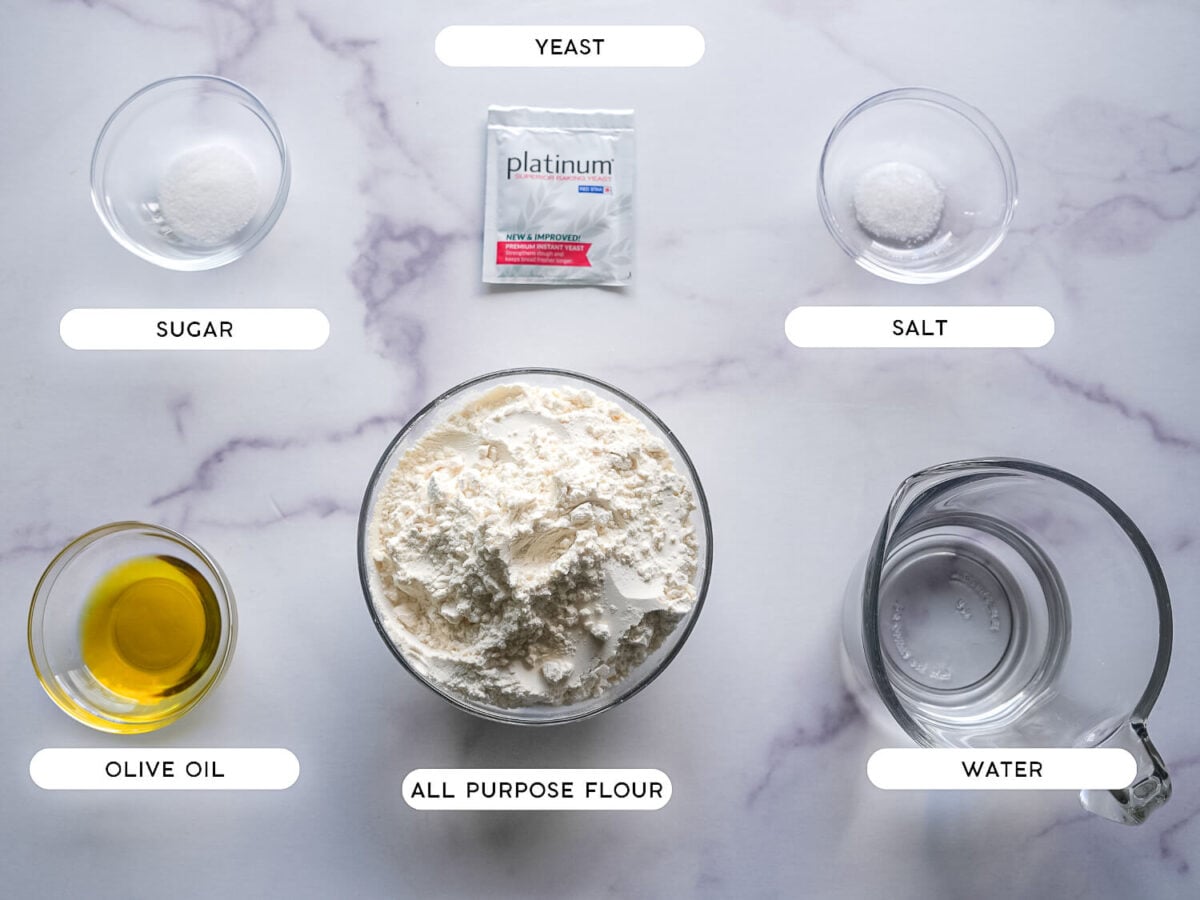
You only need a handful of ingredients for this homemade pizza crust recipe. Detailed measurements can be found in the recipe card below.
- All-purpose flour: I recommend using King Arthur All-Purpose Flour gives the crust structure and chew without requiring specialty pizza flour.
- Warm water: The warm water in this recipe hydrates the flour and helps create a soft, easy-to-stretch dough and helps the yeast to activate.
- Olive oil: A good quality EVOO can add flavor and tenderness while helping the crust develop a crisp exterior. I recommend using the Partanna Robust Extra Virgin Olive Oil.
- Active dry yeast: 1 (7 g) packet gives the dough its rise and creates a light, chewy texture. I recommend using the Red Star Platinum Premium Instant Yeast.
- Sugar: Helps activate the yeast while encouraging better browning in the oven.
- Fine sea salt: Properly seasons the dough and brings out the flavor of the crust.
How to Make this Easy Pizza Crust
You can prepare this easy homemade pizza dough using either a stand mixer or by hand. Below you will find stand mixer instructions. Detailed instructions and hand mixer instructions can be found in the recipe card below.
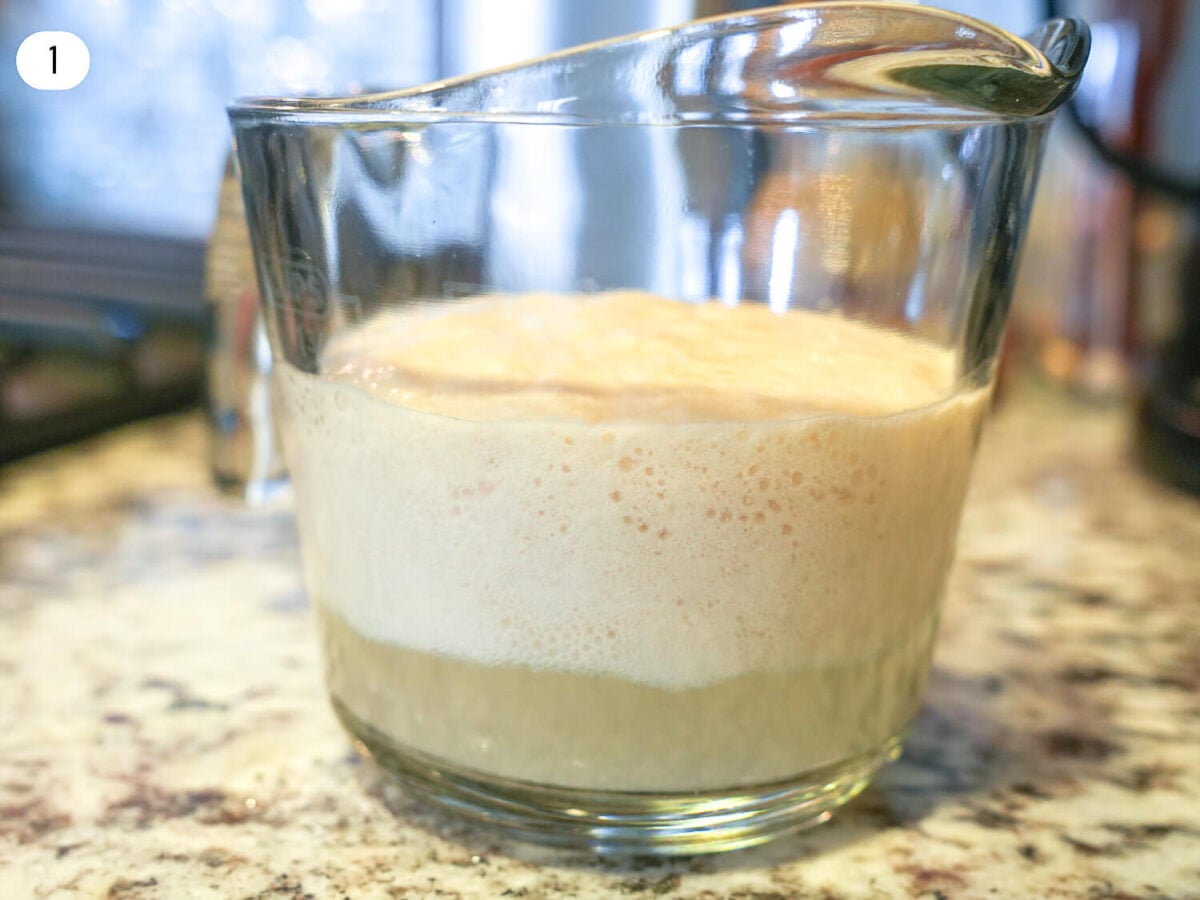
STEP 1: Proof the yeast – Place the warm water in a microwave-safe measuring cup and heat until it reaches the temperature recommended on your active dry yeast package. In my microwave, this typically takes about 30-45 seconds. Stir in the sugar until dissolved, then add the yeast. Let the yeast mixture stand for about 10 minutes, or until the surface becomes foamy and develops a yeasty aroma.
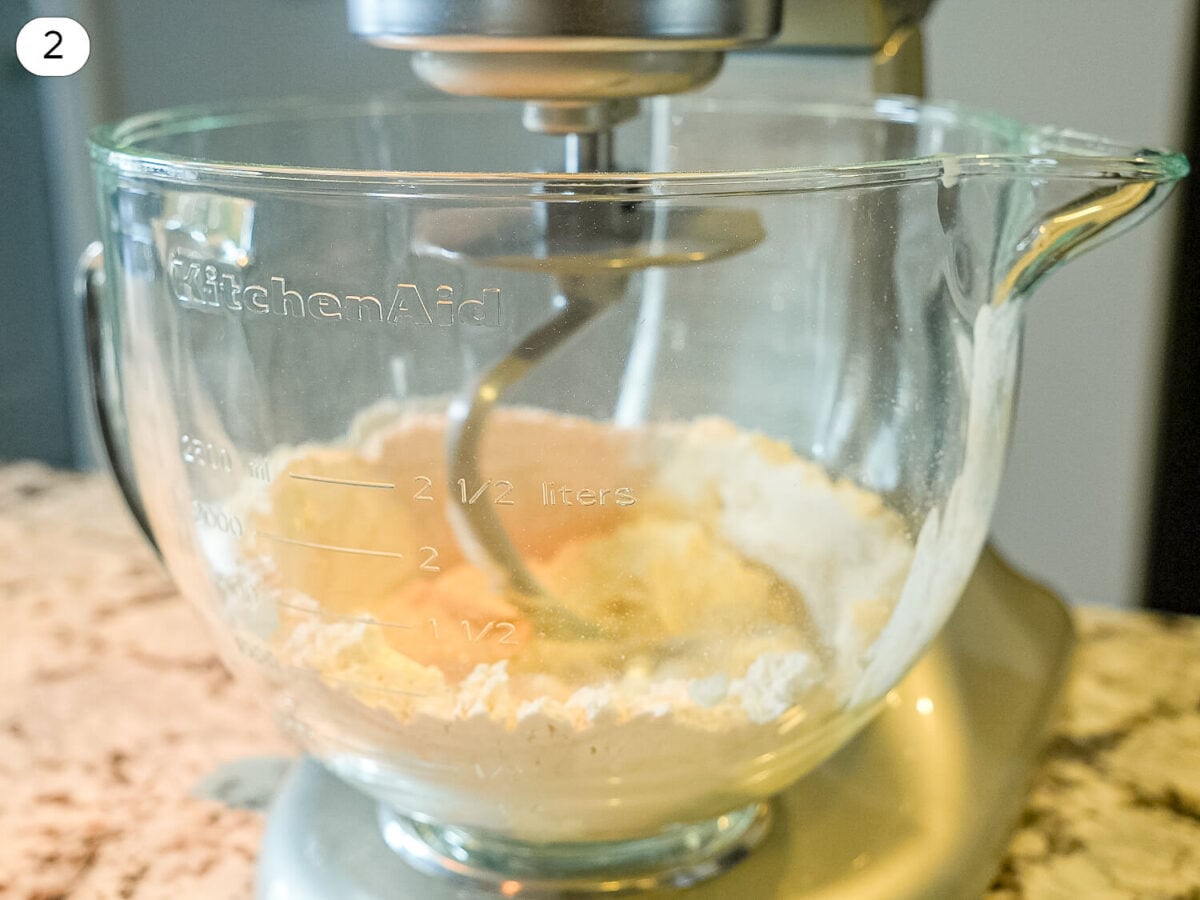
STEP 2: Combine the ingredients – Add the all-purpose flour and fine sea salt to the bowl of a stand mixer. Attach the dough hook attachment and mix briefly on low speed. Slowly pour in the yeast mixture, followed by the olive oil.
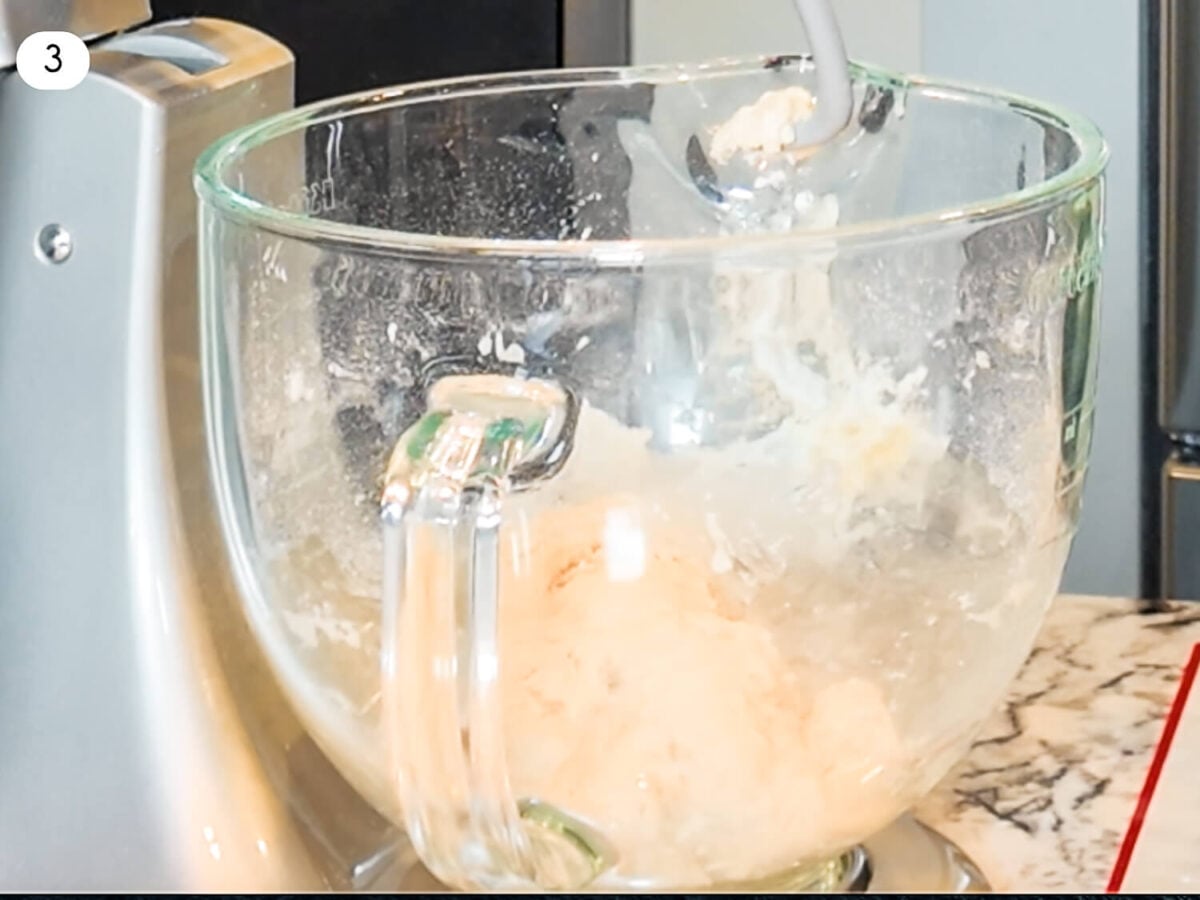
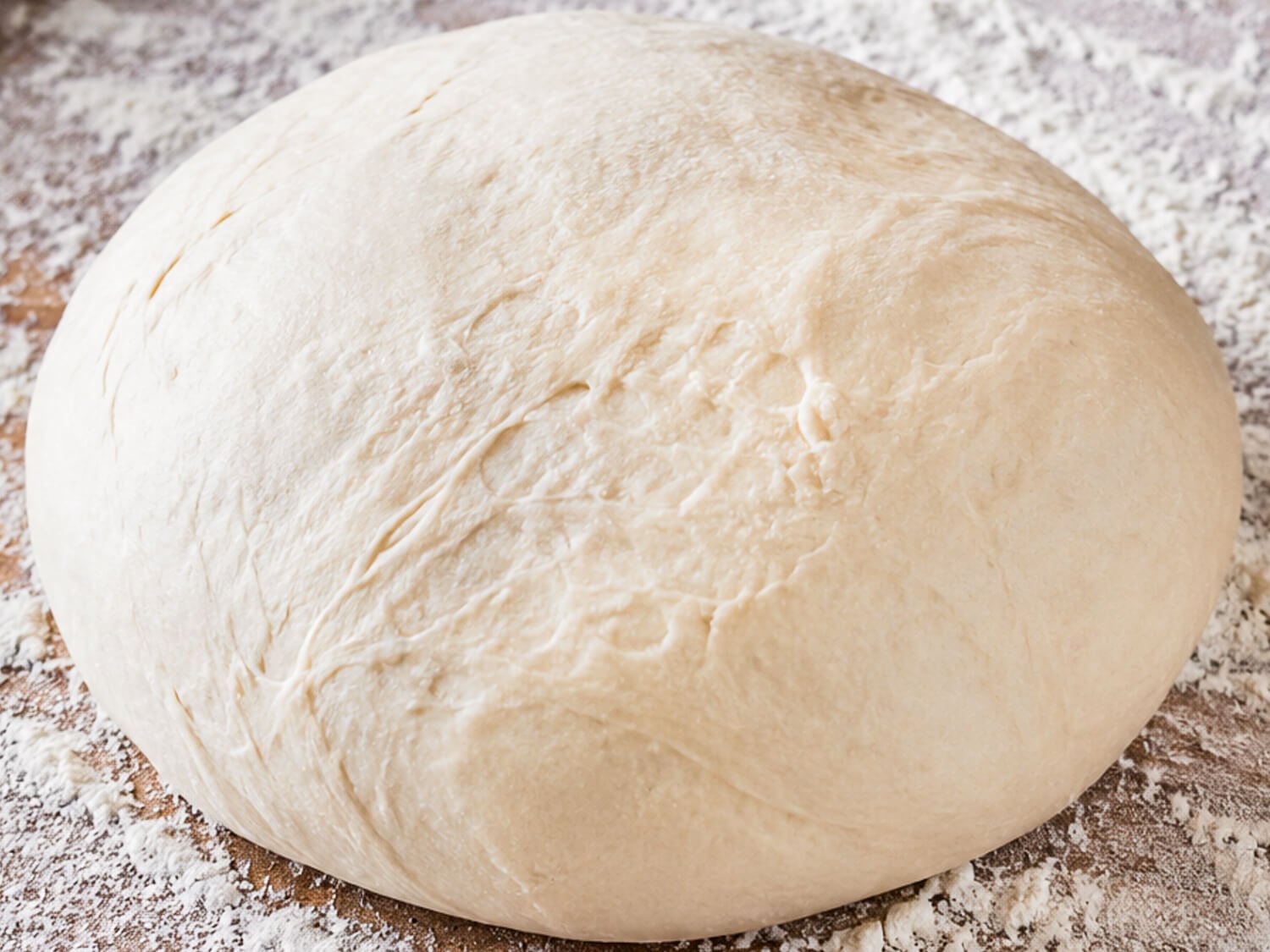
STEP 3: Knead the dough – Increase the mixer to medium-low speed and knead for about 5 minutes. The finished dough should be smooth, elastic, and slightly tacky. It may stick a little to the bottom of the bowl, but it should not resemble a wet batter.
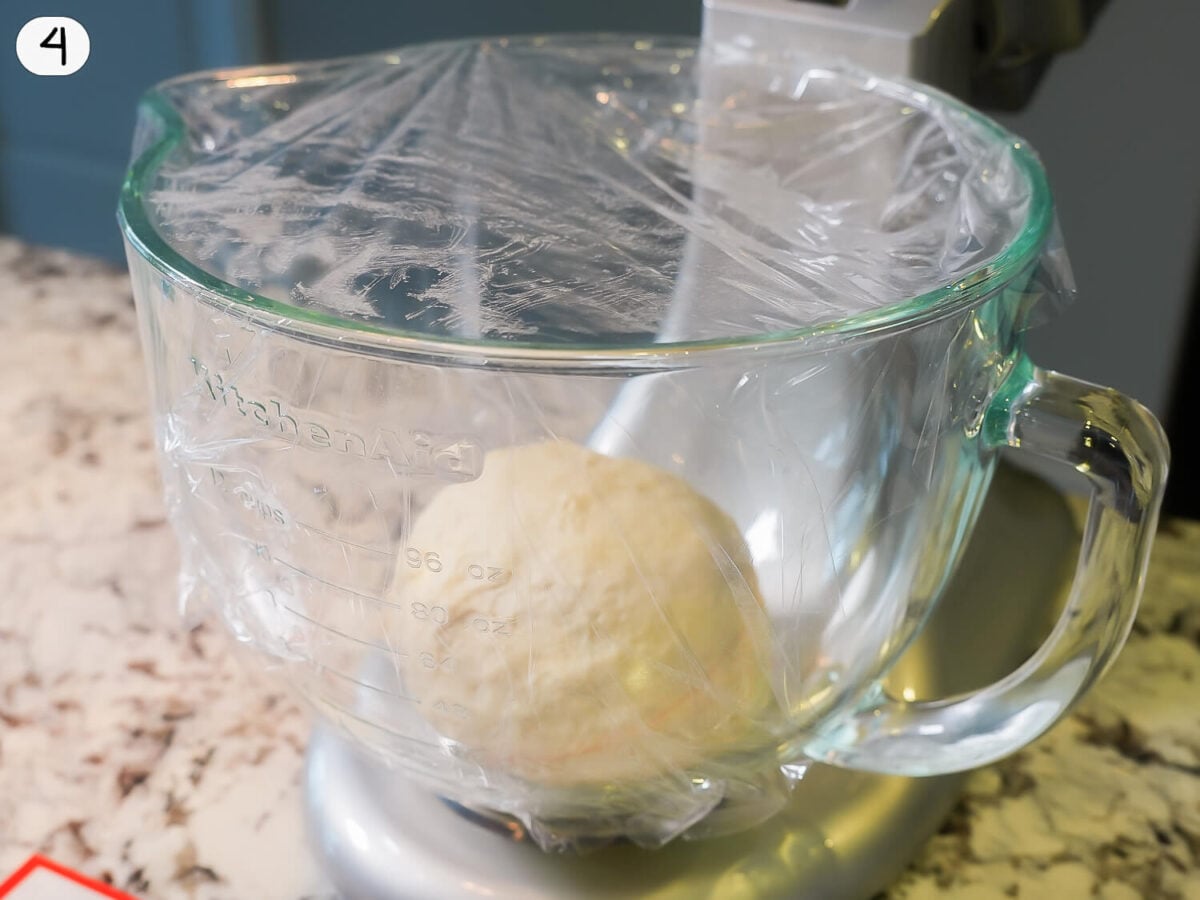
STEP 4: Let the dough rise – Lightly coat a large mixing bowl with a little olive oil. Transfer the dough to the oiled bowl, turning it once to coat. Cover tightly with plastic wrap and then a clean kitchen towel. Place in a warm spot and allow the dough to rise for about 2 hours, or until noticeably increased in size.
Shape and Bake the Pizza Crust
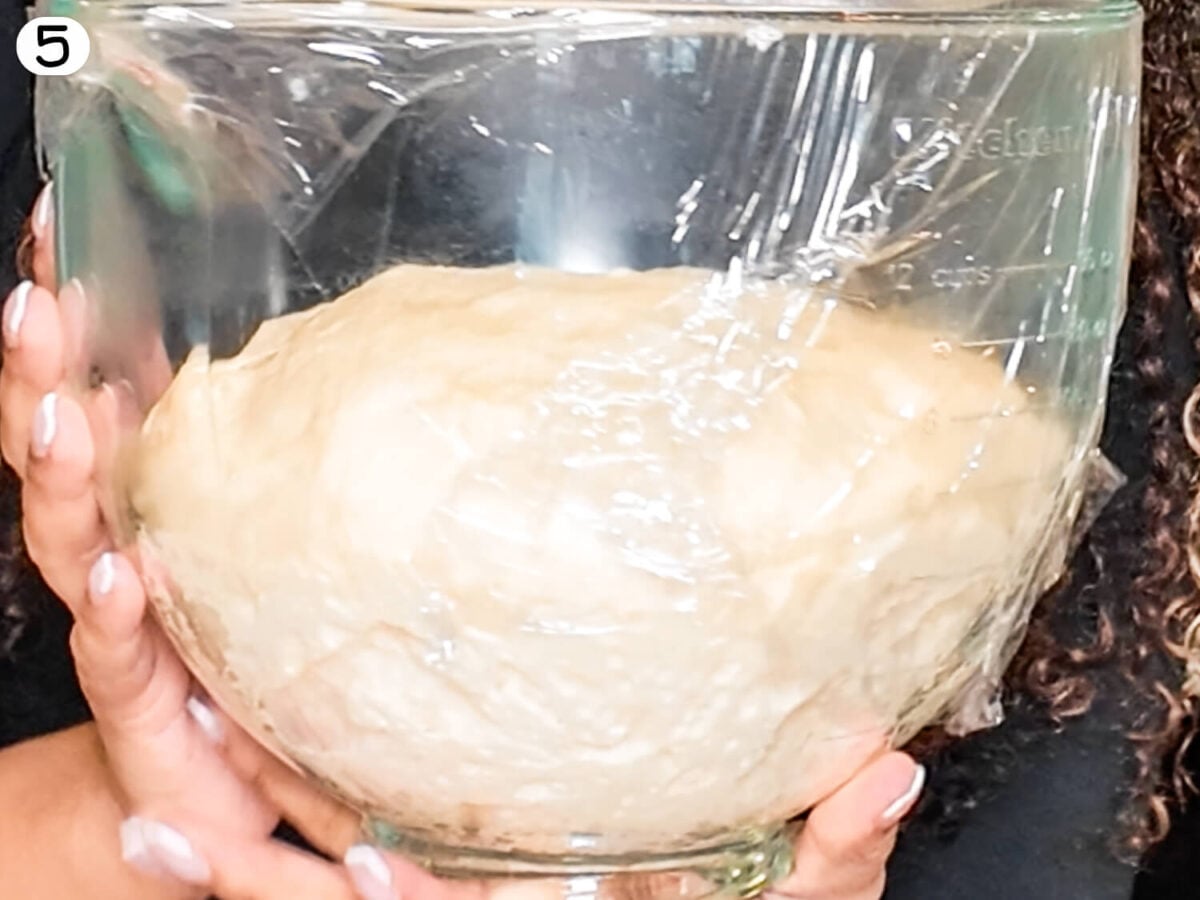
STEP 5: Preheat the oven –Heat the oven to 500°F (260°C). If using a pizza stone or baking stone, place it in the oven while it preheats according to the manufacturer’s instructions. Remove pizza dough for shaping when it has doubled in size.
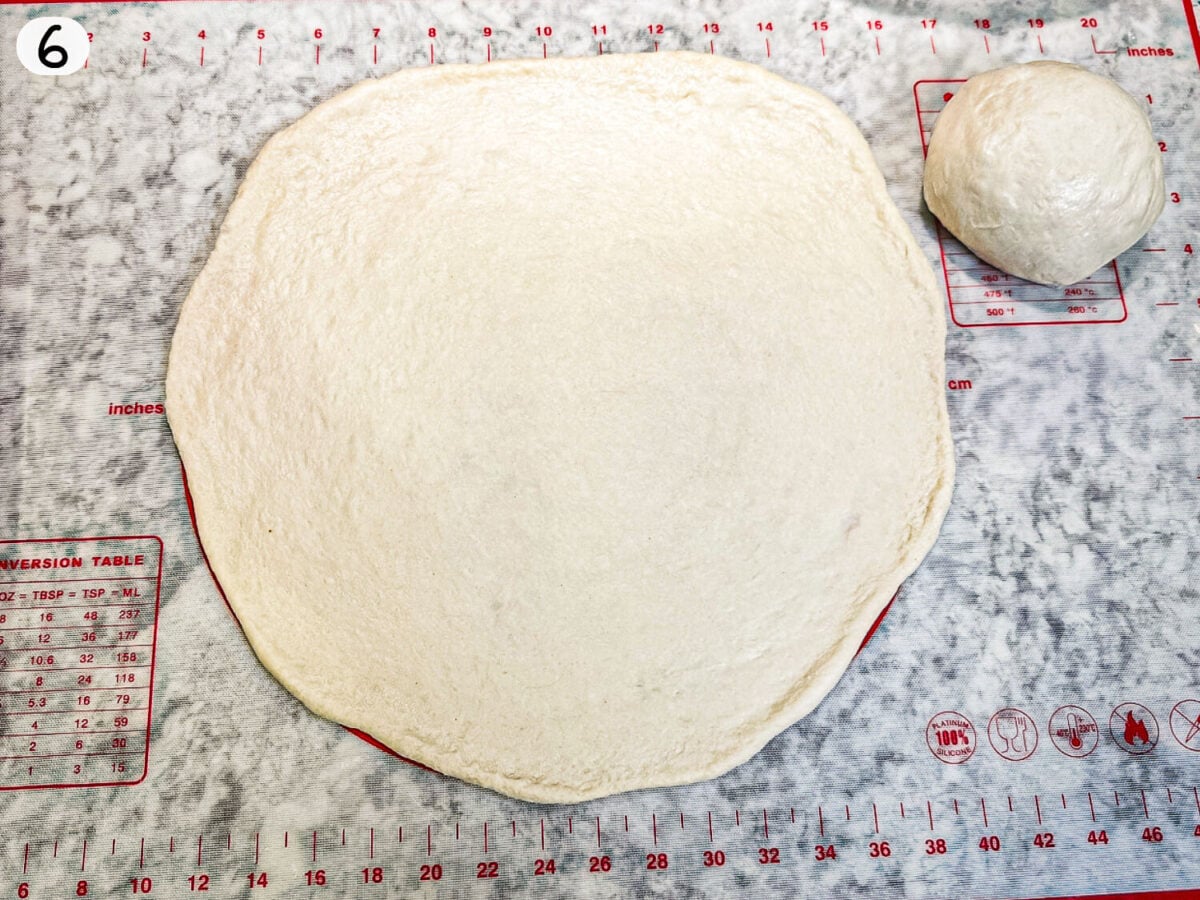
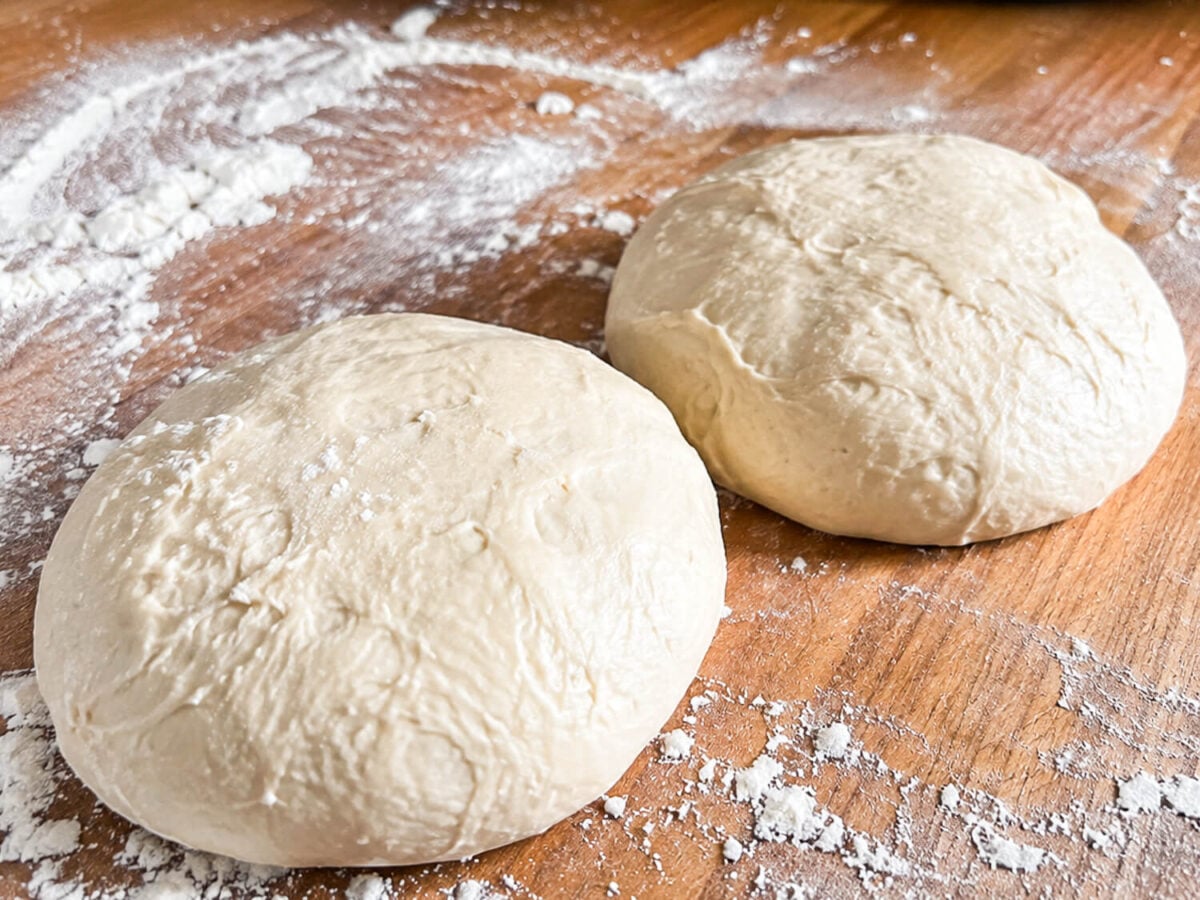
STEP 6: Divide and shape – For a thicker crust or pan pizza, use the entire dough ball. For a thin, crispier crust, divide the dough into two equal portions and keep the second piece covered while working with the first. Place the dough on a lightly floured work surface and gently stretch it from the center outward into your desired shape.
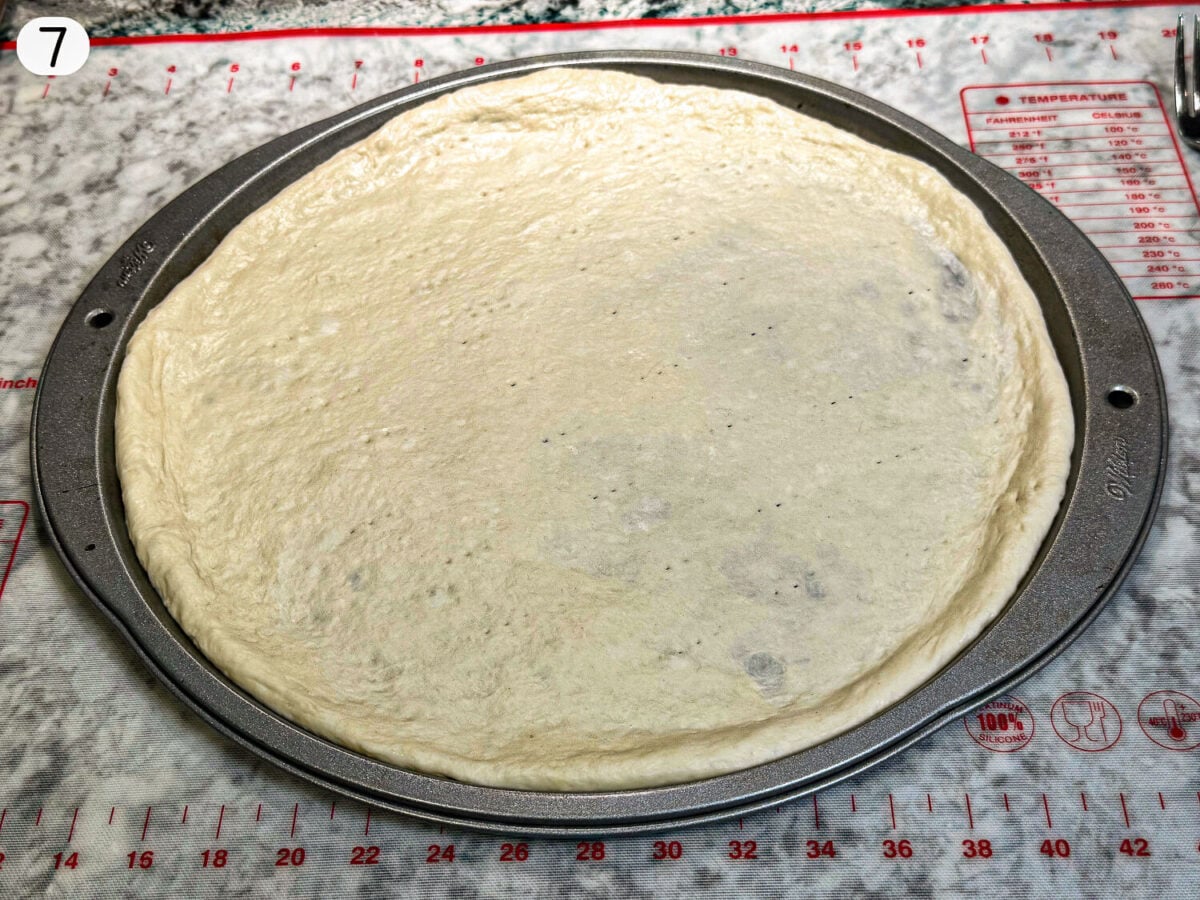
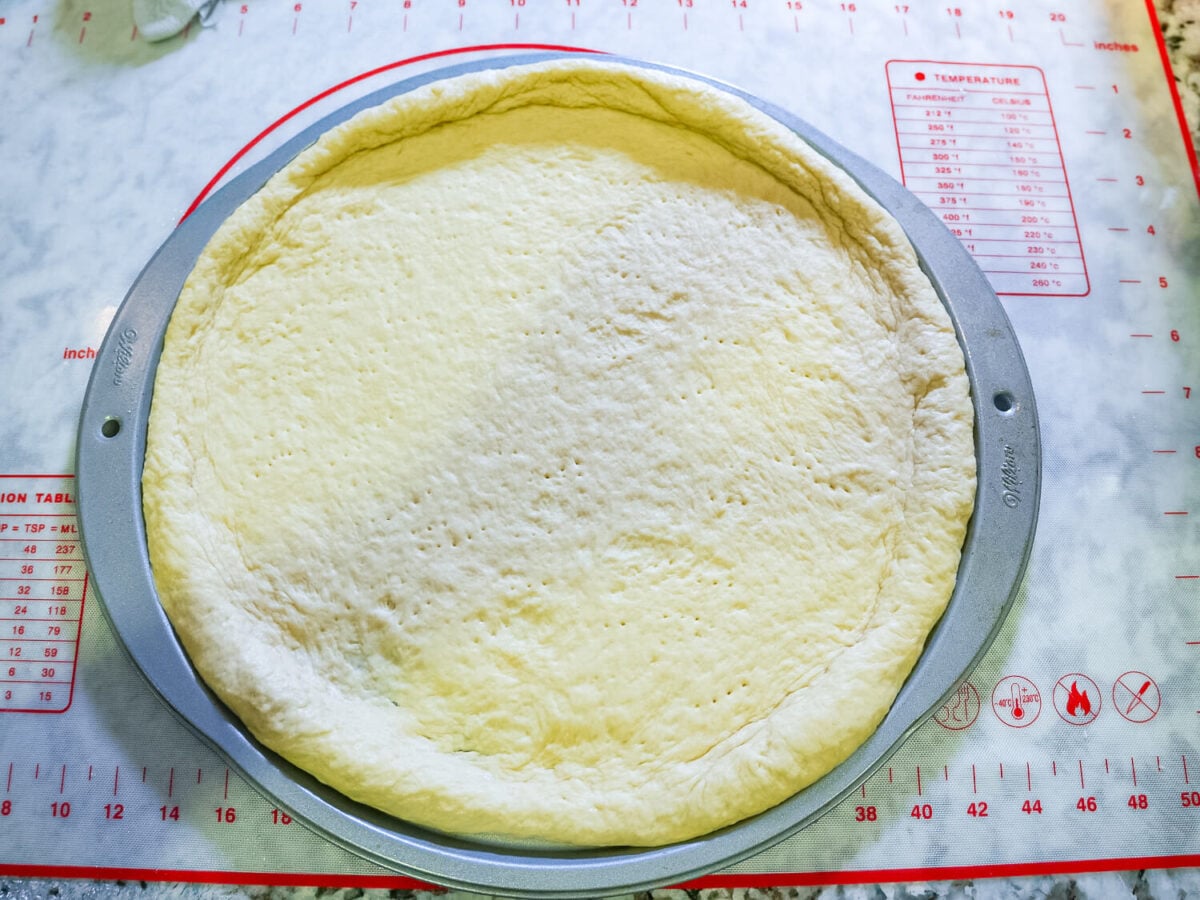
STEP 7: Prepare the crust – Transfer the shaped dough to a lightly oiled pizza pan or baking sheet. Use a fork to gently prick several holes across the center of the dough to help prevent large air bubbles.
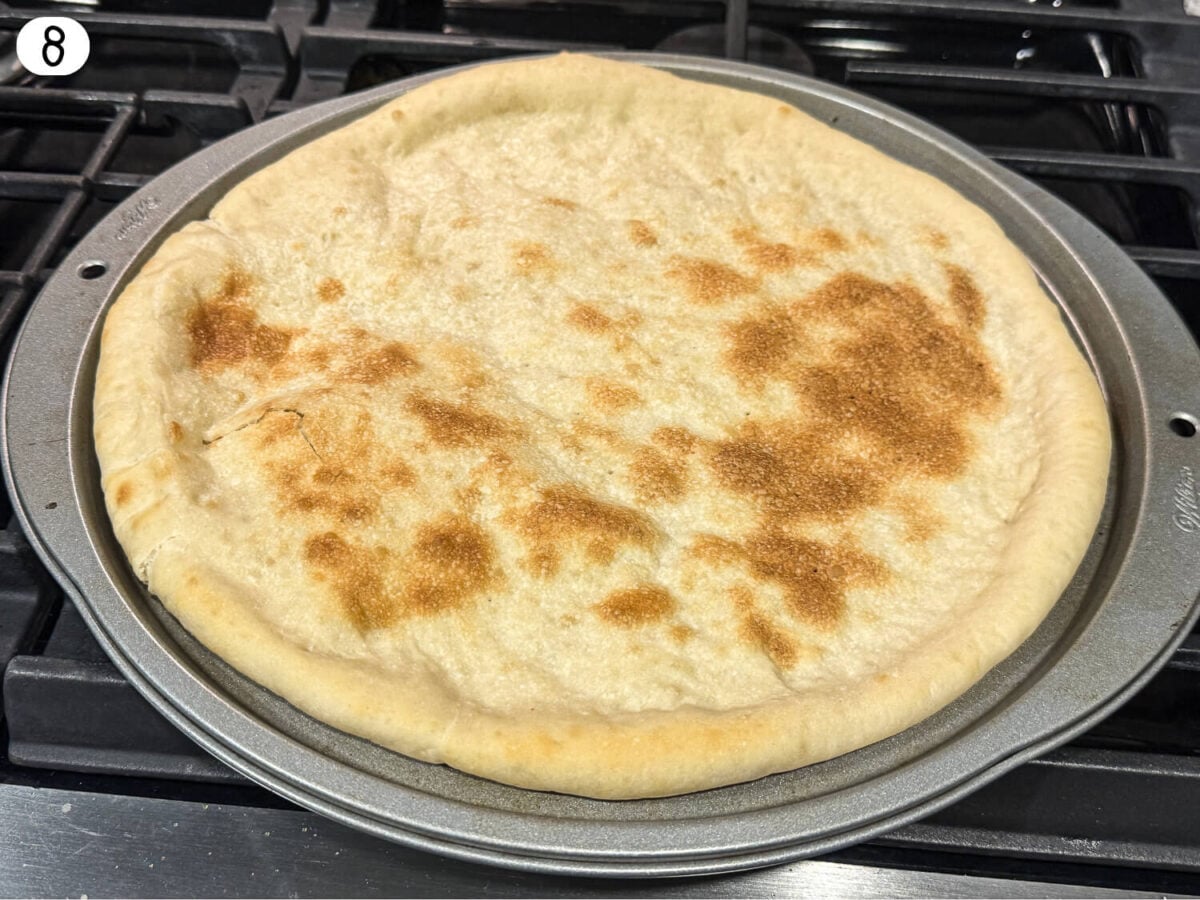
STEP 8: For an extra-crispy crust, pre-bake – Bake the plain crust at 500°F (260°C) for about 5 minutes before adding the toppings. Remove from the oven, add your sauce, cheese, and favorite pizza toppings, then return it to the oven until the crust is golden brown and the cheese is melted. Enjoy!
Tip: Pre-baking is optional. For a softer, airier crust with more oven spring, add your toppings directly to the raw dough and bake everything together. For a thin, crispier crust, I prefer giving the dough a short pre-bake first.
Easy Pizza Crust Tips
- Check your water temperature – When warming up your water, be sure to check the temperature and make it’s not too hot. If the water is too hot, this can kill the yeast. Follow the temperature instructions on your specific yeast package.
- Don’t solve stickiness with lots of flour – Adding too much flour during kneading changes the hydration of the dough and can produce a dense crust. Lightly flour your hands and work surface instead.
- Give the dough time to rise – Place the dough in a warm spot for about 2 hours to give the dough time to rise.
- Keep unused dough covered – Plastic wrap or a clean kitchen towel prevents the surface from drying out.
- Preheat thoroughly – Don’t let the oven temperatures in the recipe intimidate you. A very hot oven creates a crispier crust.
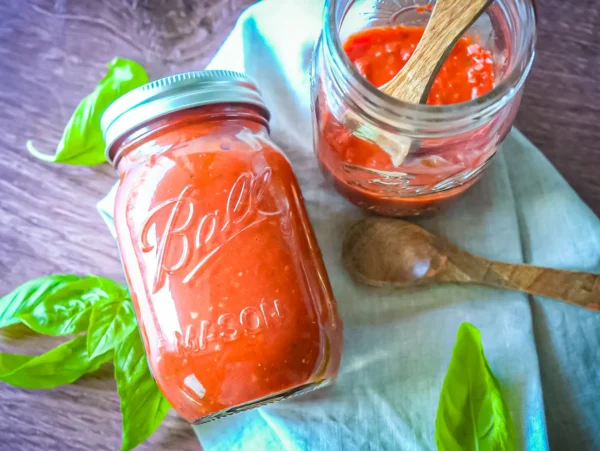
- Don’t overload the pizza – Too much tomato sauce or too many wet toppings can make the center of the crust soggy. It may not look like a lot of sauce, but trust me, a thin layer of sauce is plenty.
- Look for foam –After about 10 minutes, the yeast mixture should become foamy or bubbly. If nothing happens, start again with fresh yeast.
Simple Pizza Dough Variations and Substitutions
Below you will find a few suggestions to customize and make this pizza dough your own. I would love to hear your feedback and ideas in the comments below so other readers can benefit.
- Bread flour: Bread flour can replace the all-purpose flour for a slightly chewier pizza crust because of its higher protein content. Keep in mind that different flours absorb water differently, so the texture of the dough may change.
- Instant yeast: If you decide to use instant yeast instead of active dry yeast, you can skip the proofing step in this recipe. This yeast can usually be mixed directly into the dry ingredients, but always check your yeast package for specific instructions.
- Kosher salt: Kosher salt can be substituted for fine sea salt, but I recommend measuring by weight because the size of the salt crystals varies significantly between brands.
- Garlic and herbs: Add garlic powder, dried oregano, basil, or Italian seasoning to the flour for a seasoned pizza crust.
- Whole wheat flour: You can replace a portion of the all-purpose flour with whole wheat flour. I don’t recommend replacing all of it without further testing because whole wheat flour absorbs more water and will change the texture of the dough.
How to Serve Easy Homemade Pizza Dough
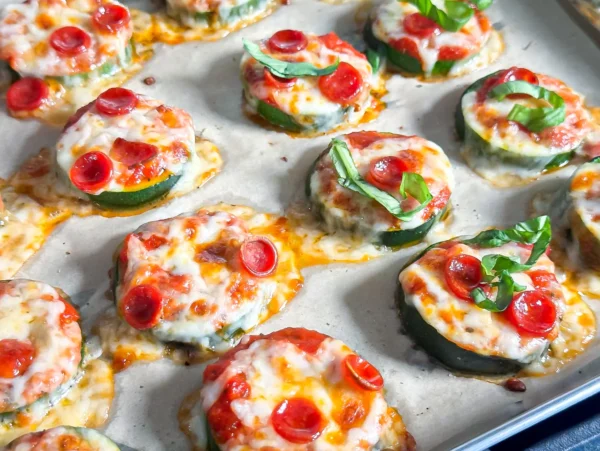
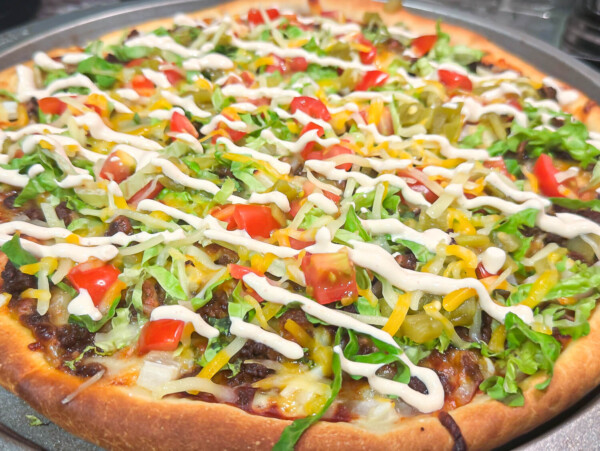
The best part about having an easy homemade pizza dough recipe is turning it into whatever kind of pizza you’re craving. Below are a few recipes you can try to get started:
- BBQ Chicken Pizza
- Breakfast Pizza
- Cheeseburger Pizza
- Buffalo Chicken Pizza
- Taco Pizza
How to Store Easy Pizza Crust Recipe
This homemade pizza crust can be made ahead, which makes homemade pizza perfect for busy days:
- Refrigerator: After the dough has risen, gently deflate it and lightly coat the dough ball with olive oil. Transfer it to an airtight container with enough room for expansion and refrigerate for up to 2-3 days. Take care to not seal it tightly or the gases from the yeast could cause it to explode in your refrigerator.
- Freezer: After the first rise, divide the dough into the portions you’ll need for future use. Lightly coat each dough ball with olive oil and transfer to an airtight freezer-safe container or freezer bag. Freeze for up to 3 months.
- Before baking: Before shaping refrigerated dough, allow it to sit at room temperature for approximately 30-60 minutes. Cold dough tends to spring back when stretched, while room-temperature dough is much easier to shape. If you froze this pizza dough, thaw it overnight in the refrigerator. The next day, bring it to room temperature before stretching and baking.
FAQ
How long should pizza dough rise?
For this recipe, allow approximately 2 hours for the initial rise. The exact timing can vary depending on the temperature of your kitchen, so pay attention to the dough rather than relying only on the clock.
Should I roll or stretch pizza dough?
Either works, but stretching the dough by hand preserves more of the air created during fermentation and can produce a lighter crust. A rolling pin presses out more of those air pockets, making it useful when you want a thinner, more uniform crust.
Can I make pizza dough ahead of time?
Absolutely. After the initial rise, refrigerate the dough in an airtight container for about 2-3 days or freeze individual dough balls for up to 3 months.
Do I need a pizza stone or pizza peel?
No. A regular pizza pan or baking sheet works perfectly well for this easy recipe. A preheated pizza stone can help create a crispier bottom, and a pizza peel makes transferring pizza easier, but neither is required.
Recipe Card
Easy Pizza Crust
Equipment
- Mixer of Choice (optional – the dough can also be kneaded by hand)
Ingredients
- 2 cups All Purpose Flour, (I recommend King Arthur)
- ⅞ cup Warm Water
- 2 tablespoons Extra Virgin Olive Oil
- 1 packet Active Dry Yeast, (I recommend Red Star Platinum Premium Instant Yeast)
- 1 teaspoon Sugar
- 1 teaspoon Fine Sea Salt

Instructions
- Place the warm water in a microwave-safe measuring cup and heat until it reaches the temperature recommended on your active dry yeast package. In my microwave, this typically takes about 30-45 seconds. Stir in the sugar until dissolved, then add the yeast. Let the yeast mixture stand for about 10 minutes, or until the surface becomes foamy and develops a yeasty aroma.
- Add the all-purpose flour and fine sea salt to the bowl of a stand mixer. Attach the dough hook attachment and mix briefly on low speed. Slowly pour in the yeast mixture, followed by the olive oil.
- Increase the mixer to medium-low speed and knead for about 5 minutes. The finished dough should be smooth, elastic, and slightly tacky. It may stick a little to the bottom of the bowl, but it should not resemble a wet batter.
- Lightly coat a large mixing bowl with a little olive oil. Transfer the dough to the oiled bowl, turning it once to coat. Cover tightly with plastic wrap and then a clean kitchen towel. Place in a warm spot and allow the dough to rise for about 2 hours, or until noticeably increased in size.
- Heat the oven to 500°F (260°C). If using a pizza stone or baking stone, place it in the oven while it preheats according to the manufacturer's instructions. Remove pizza dough for shaping when it has doubled in size.
- For a thicker crust or pan pizza, use the entire dough ball. For a thin, crispier crust, divide the dough into two equal portions and keep the second piece covered while working with the first. Place the dough on a lightly floured work surface and gently stretch it from the center outward into your desired shape.
- Transfer the shaped dough to a lightly oiled pizza pan or baking sheet. Use a fork to gently prick several holes across the center of the dough to help prevent large air bubbles.
- Bake the plain crust at 500°F (260°C) for about 5 minutes before adding the toppings. Remove from the oven, add your sauce, cheese, and favorite pizza toppings, then return it to the oven until the crust is golden brown and the cheese is melted. Enjoy!
Notes
- Check the water temperature: Use warm water around 105-110°F (40-43°C), or follow the temperature recommended on your active dry yeast package. Water that is too hot can kill the yeast.
- Make sure your yeast is active: After about 10 minutes, the yeast mixture should look foamy and bubbly. If it doesn’t, start over with fresh yeast.
- Give it time to rise: Cover the dough and let it rise in a warm area for about 2 hours.
- For thin or thick crust: Divide the dough in half for two thinner pizza crusts, or use the entire dough ball for one thicker crust.
- For a crispier crust: Pre-bake the shaped crust at 500°F (260°C) for about 5 minutes before adding your favorite toppings.
- Make ahead: After the first rise, refrigerate the dough in an airtight container for up to 2-3 days. Let it come to room temperature before shaping.
- Freezing: Freeze individual dough balls in airtight freezer-safe containers for up to 3 months. Thaw overnight in the refrigerator, then bring to room temperature before using.
Nutrition
Nutrition information is automatically calculated, so should only be used as an approximation.
Craving More?
If you make this easy pizza crust recipe, I’d love to see what you create! Tag me on Instagram @elicitfolio so I can see your homemade pizza, follow along on Pinterest for more recipes and inspiration, or leave a comment below and tell me what pizza recipe you’d like to see me make next. Your suggestion might just become my next pizza night recipe!




This pizza crust looks so good! I love that it uses simple pantry ingredients and gives you the option to make the crust thick or thin and crispy. Homemade pizza night is always a winner in our house!
I love how simple this crust is. Simple pizza crust recipes are ALWAYs the best, IMO.
Agreed! Thank you Beth!
This is a great recipe. I don’t eat out anymore, so this gives me another option to make good food at home..
Thank you! So happy you enjoyed!
I am so impressed by the process and time it takes to make pizza dough. Of course, the satisfaction comes when it is ready to eat and all that hard work pays off. Delicious!
Glad you enjoyed!
Had a make your own pizza night with the kids. was fun, tasted so much better than takeaway, and so much healthier too.
Thank you so much! So happy you enjoyed!
Honestly, I’m so used to using ready-made pizza dough, but this post is making me want to try making it from scratch! Thanks for sharing this guide. It looks pretty easy to follow, so I think I might actually give it a try.
Awesome! I can’t wait for you to try this recipe. If you have any questions, let me know!