
Updated: August 14, 2026
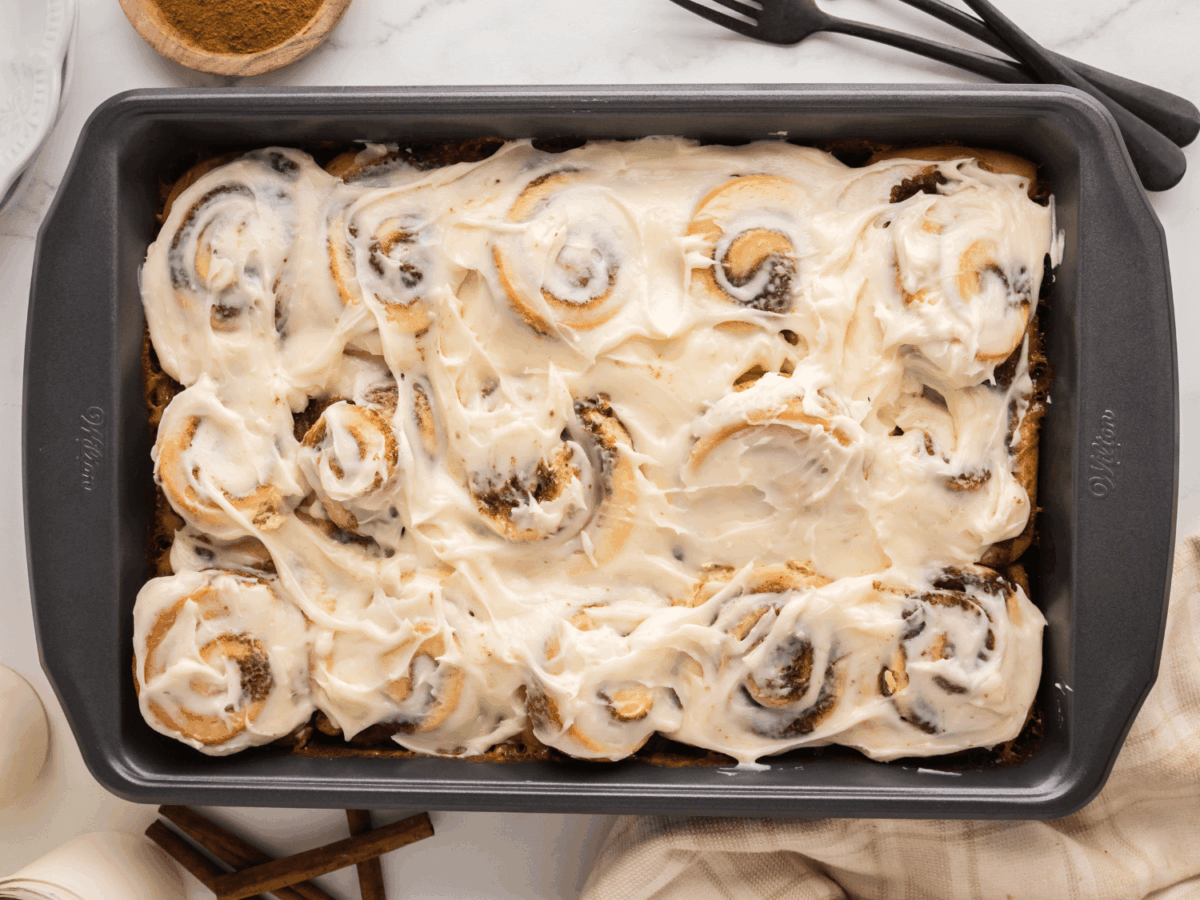
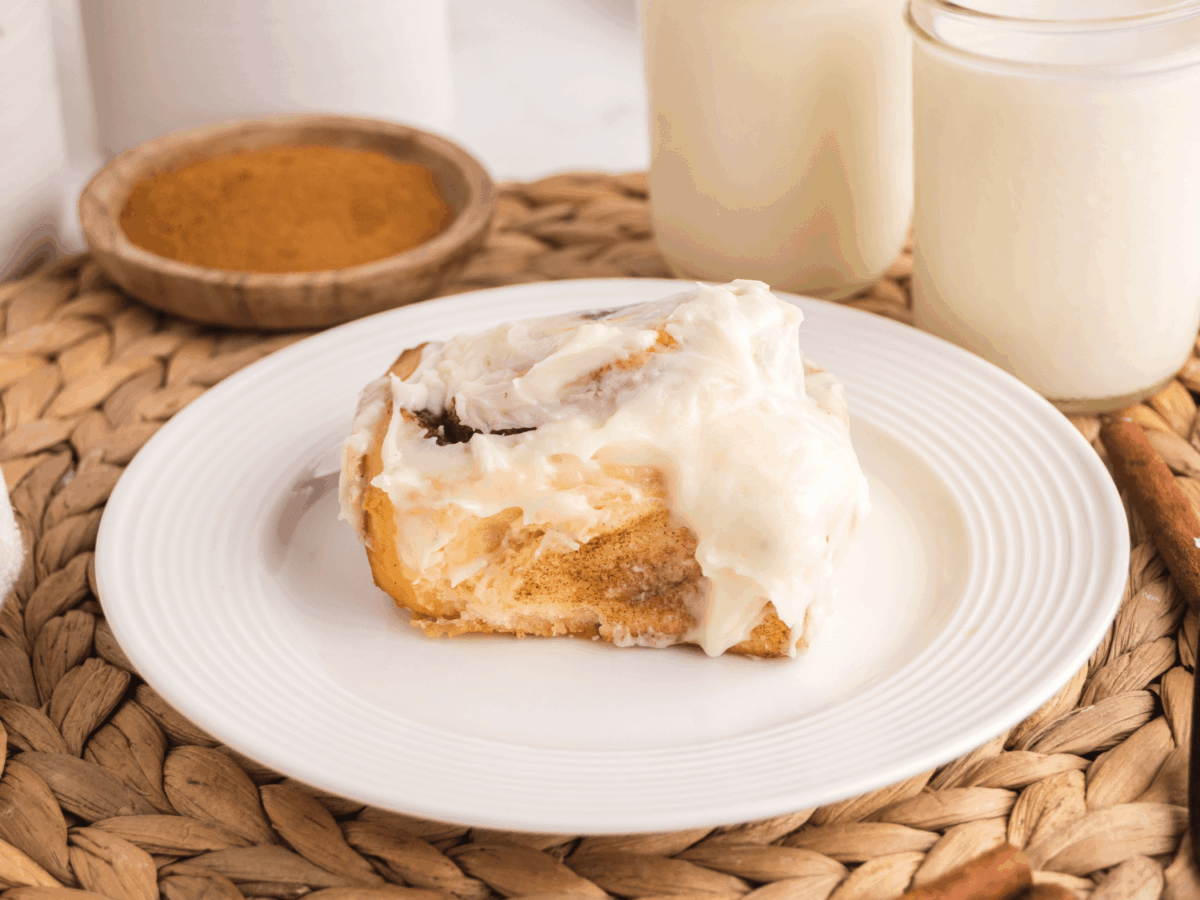
These cinnamon rolls with heavy cream have become such a family favorite that every time I come home, my family requests that I make a batch for everyone. After pastry school, I started using egg yolks instead of whole eggs for a richer, softer dough. Plus, after testing the viral TikTok heavy cream trick, I was sold! Pouring heavy cream over the rolls before baking creates incredibly addictive soft rolls. Let’s dive into my recipe.
Want to Email This for Later?
Why This Recipe Works
I tested this cinnamon roll recipe with heavy cream several ways. Below are a few highlights on why this will become your go-to cinnamon roll recipe:
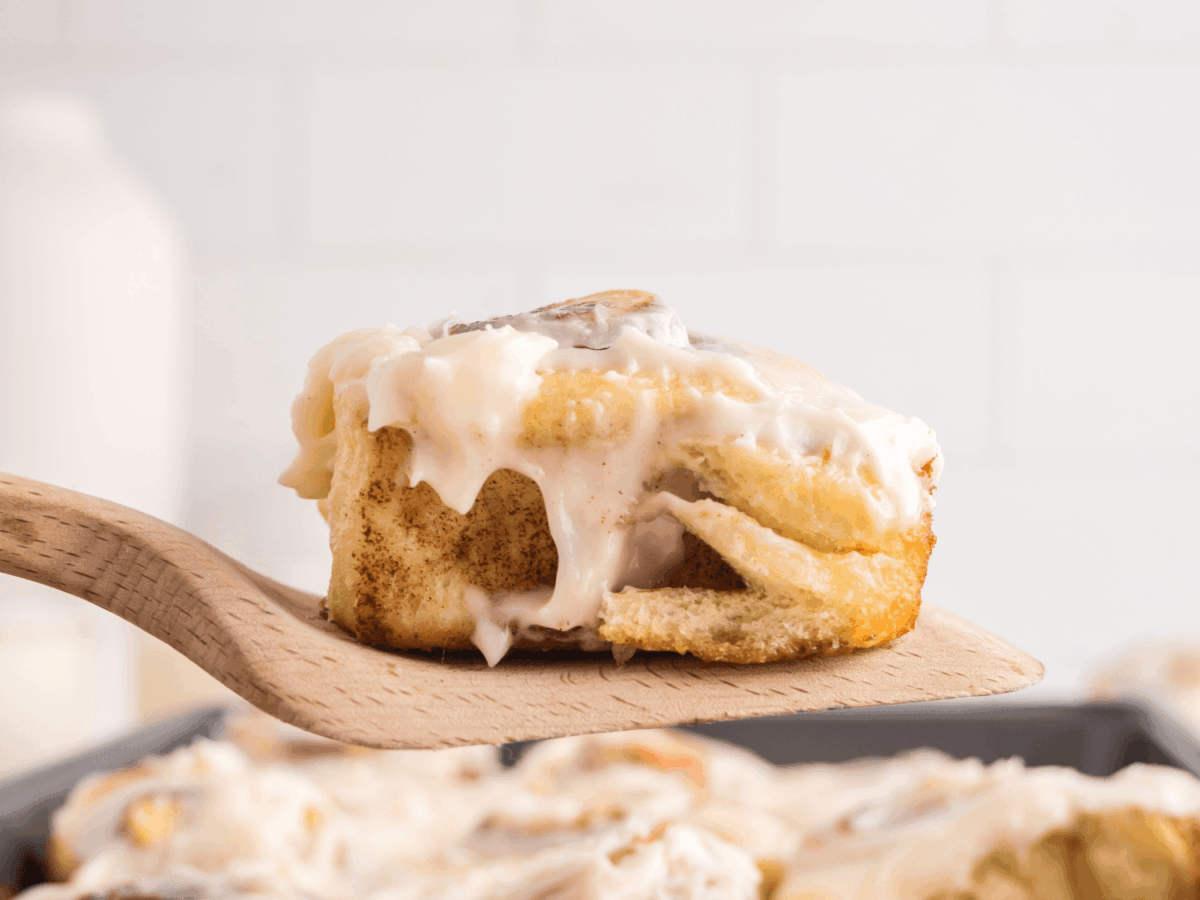
- Egg yolks create a richer dough. I tested the cinnamon roll dough with whole eggs and with egg yolks. The yolk-only version produced a softer, richer, more tender roll, which is a technique I learned in pastry school.
- Heavy cream makes the rolls incredibly soft. I first tried the heavy cream trick after seeing it go viral on TikTok. I tested batches with and without heavy cream. From my test kitchen, I learned that pouring heavy cream over the rolls before baking gave me the softest texture.
- Bread flour provides structure without sacrificing softness. Its higher protein content helps develop enough gluten to create tall, fluffy cinnamon rolls that hold their shape. Unlike other recipes online, you will not regret using bread flour over all-purpose flour.
Ingredients for Cinnamon Rolls with Heavy Cream
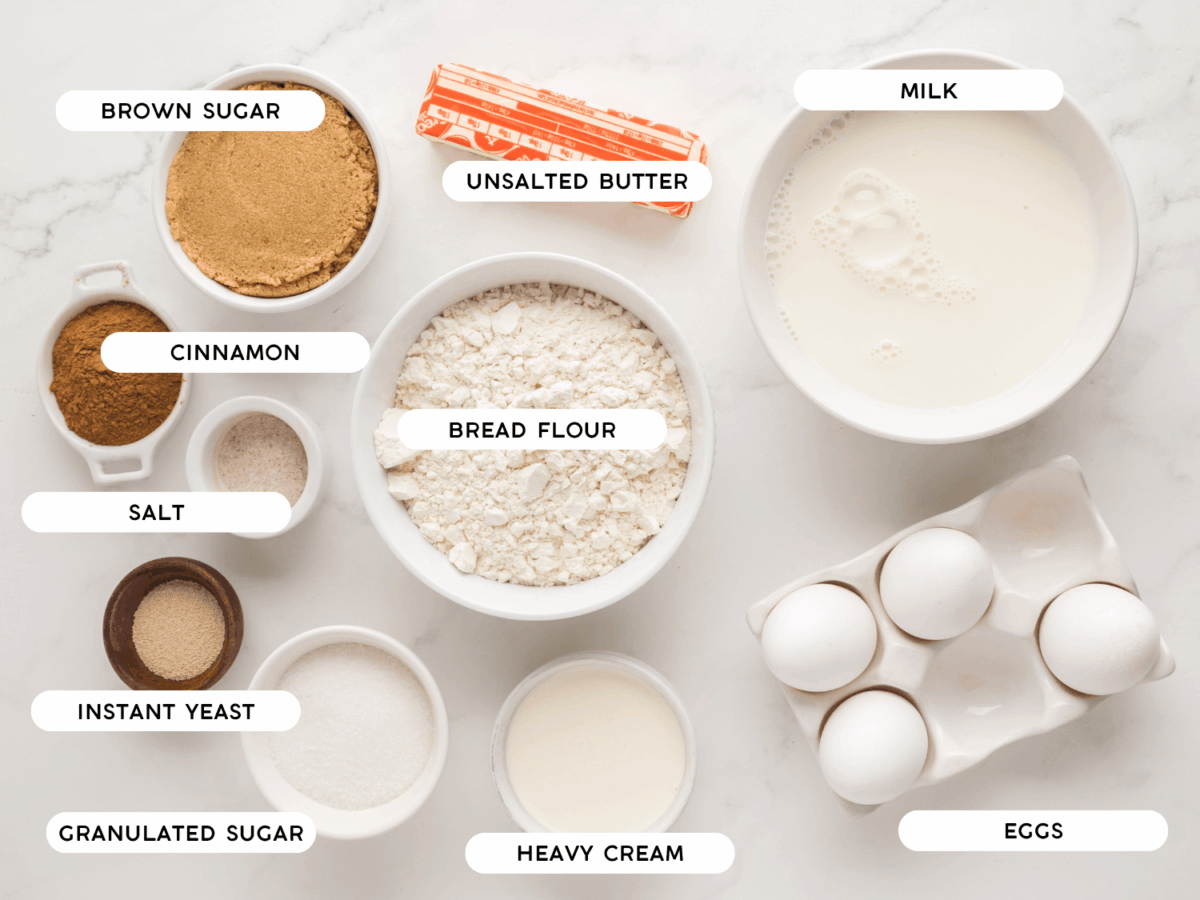
Below you will find a list of ingredients for this recipe, with detailed measurements found in the recipe card below:
Cinnamon Roll Dough Ingredients
- Bread flour: Bread flour contains more protein than all-purpose flour. As a result, this will help the yeasted dough develop enough gluten to create soft, fluffy rolls with structure.
- Granulated sugar: Adds sweetness to the buttery dough while also supporting the yeast as the dough rises.
- Rapid Rise Instant Yeast: Instant yeast helps the dough rise and can be mixed directly with the dry ingredients without needing to activate it separately in warm water.
- Salt: Balances the sweetness and brings out the buttery, cinnamon flavors.
- Whole milk: Adds moisture, fat, and richness to the dough. Warm milk also helps create the ideal environment for the yeast.
- Unsalted butter: Gives the dough its rich, buttery flavor and tender texture.
- Egg yolks: This is one of my favorite parts of the recipe. Egg yolks add fat and richness without adding as much water as whole eggs. This results in a softer cinnamon roll dough.
- Heavy cream: The heavy cream is poured over the rolls immediately before baking. As the rolls bake, it works its way into the dough and filling to create extra-soft, gooey rolls.
Cinnamon Roll Filling Ingredients
- Unsalted butter (room temperature): Softened butter creates the base of the cinnamon roll filling. It also helps the cinnamon sugar mixture adhere to the surface of the dough.
- Light brown sugar: Gives the filling its deep caramel-like sweetness and helps create those gooey centers. Dark brown sugar can also be used for a deeper molasses flavor.
- Ground cinnamon: The star of the cinnamon sugar filling, giving these rolls their warm, classic cinnamon flavor.
- Salt: A small pinch balances the sweetness of the brown sugar filling.
Cream Cheese Frosting Ingredients
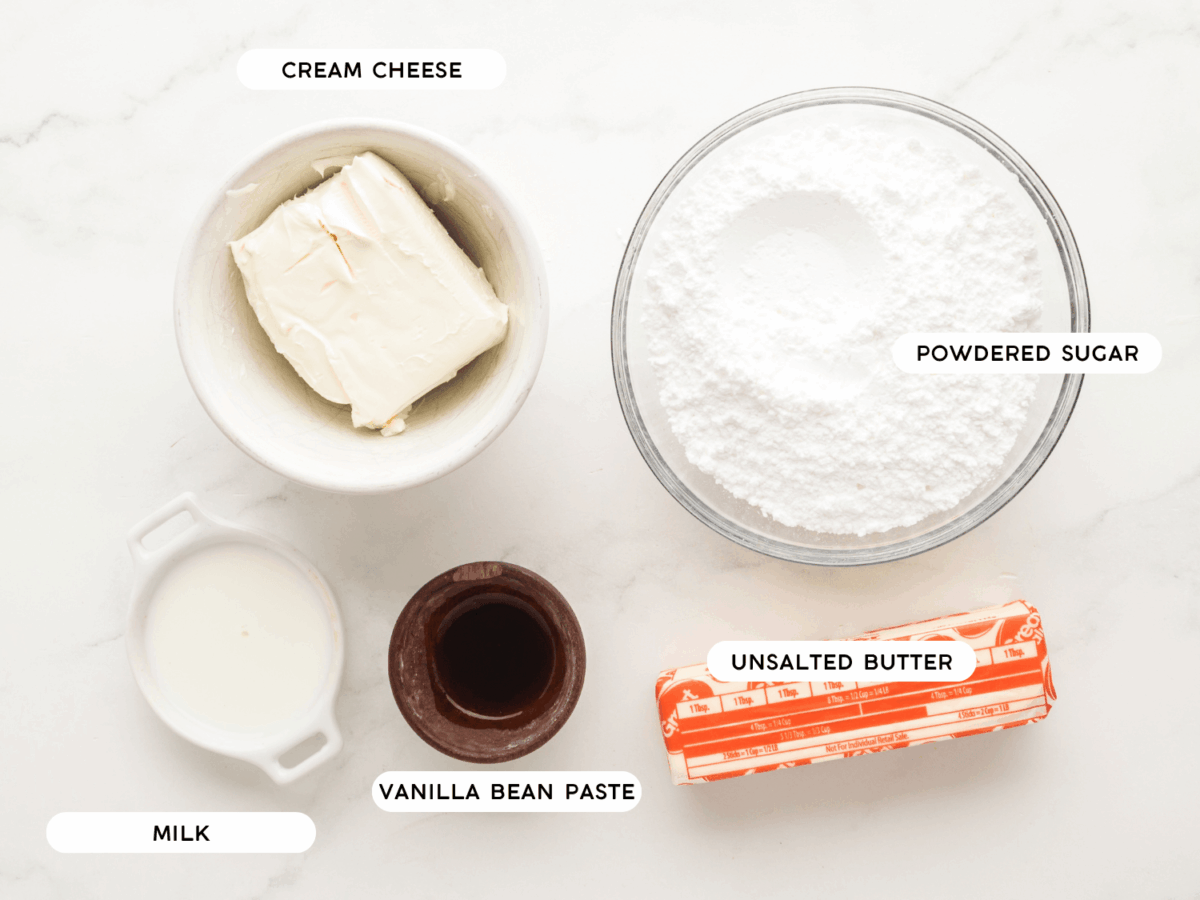
- Cream cheese (softened): Gives the frosting its signature tangy flavor and creamy texture.
- Unsalted butter: Softened butter makes the cream cheese frosting smooth, rich, and easy to spread.
- Powdered sugar: Sweetens and thickens the cream cheese icing.
- Milk: A little milk loosens the frosting until it reaches the perfect spreadable consistency.
- Vanilla bean paste: Adds a rich vanilla flavor with beautiful vanilla bean specks throughout the frosting. Vanilla extract can also be used.
- Salt: Just a pinch helps balance the sweetness.
How to Make Cinnamon Rolls with Heavy Cream
Below are my step-by-step instructions with photos to help you see exactly what to do at each step. Detailed measurements and complete instructions can be found in the recipe card below:
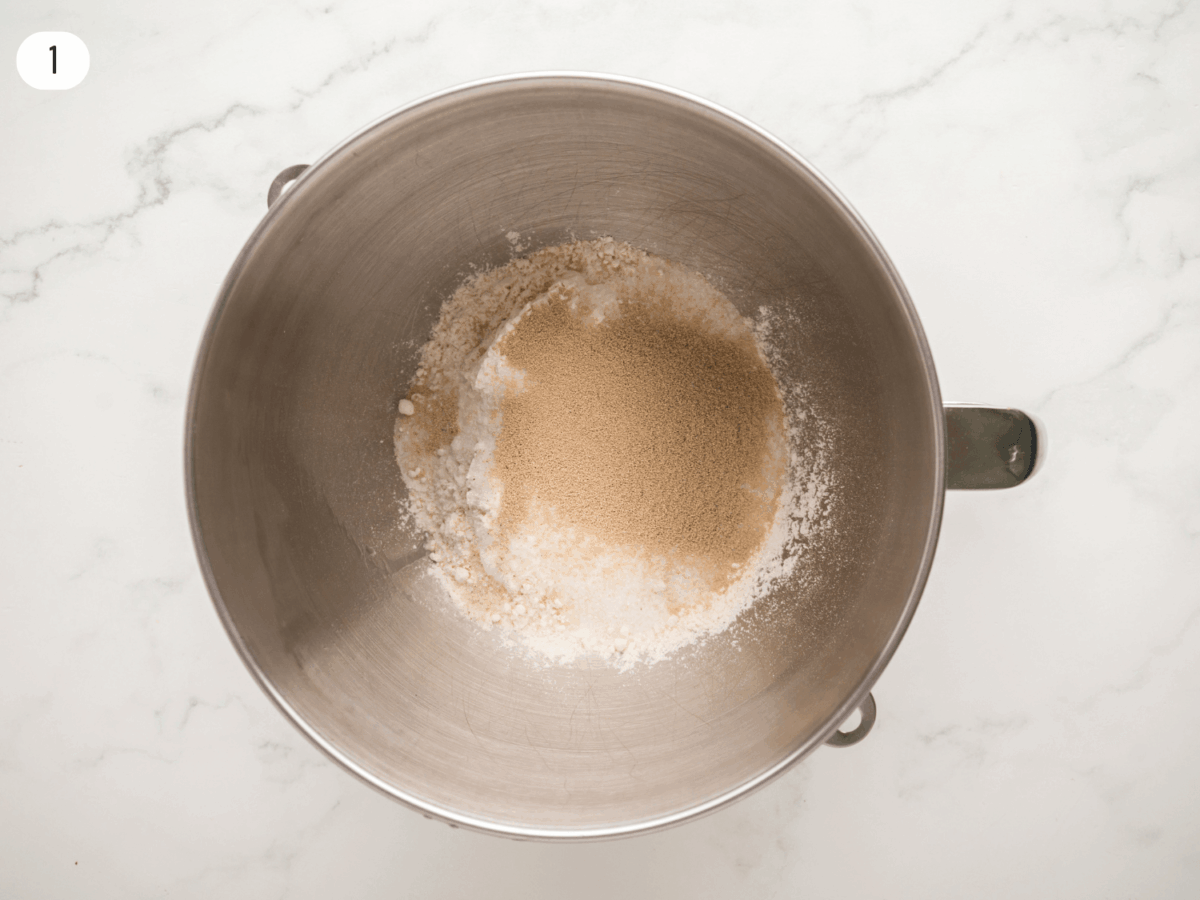
STEP 1: Make the Dough – In the bowl of a stand mixer fitted with the whisk attachment, combine 2 cups of bread flour (not all of the flour) with the granulated sugar, instant yeast, and salt on low speed. You can mix the dough by hand using a large bowl, whisk, and wooden spoon, then knead it by hand.
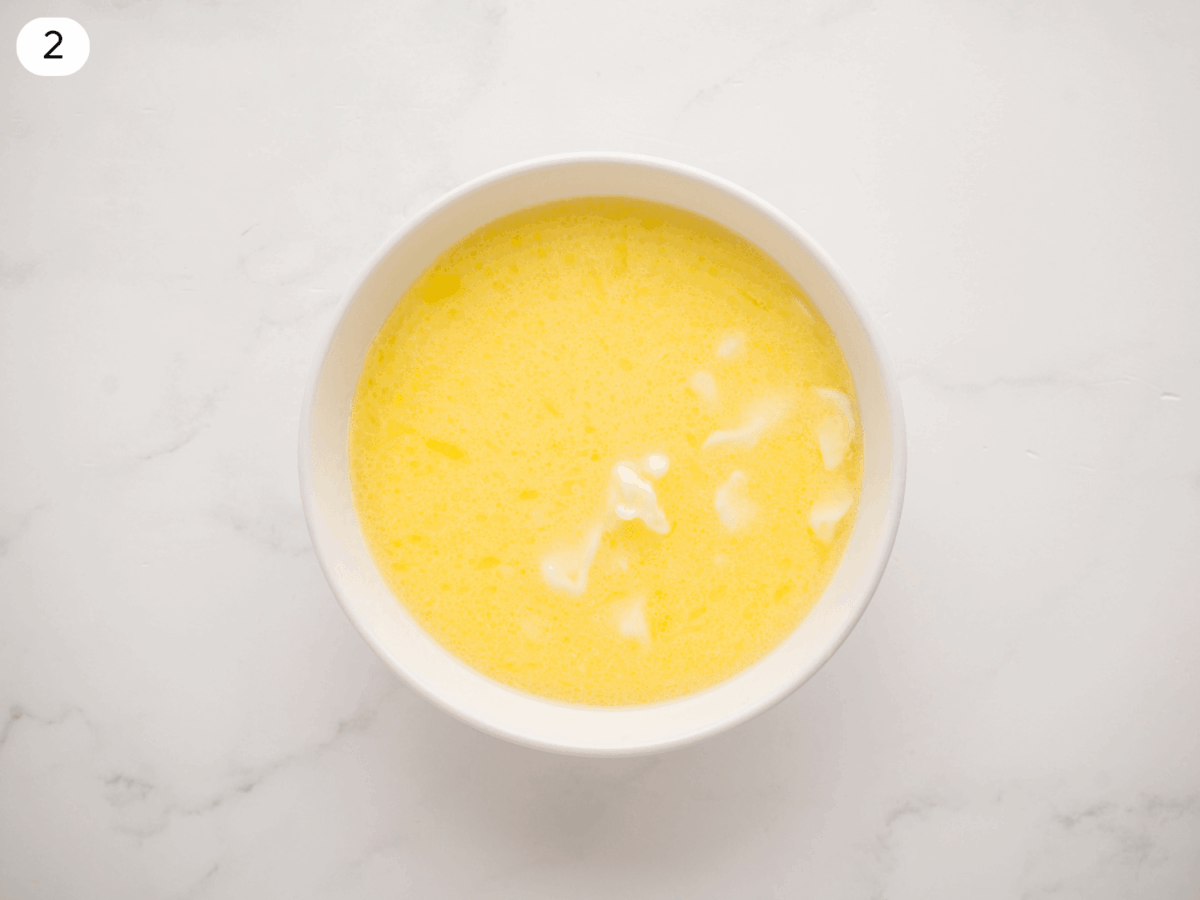
STEP 2: Warm the Milk and Butter – Place the whole milk and butter in a microwave-safe bowl and heat for about 45 seconds, or until the milk is warm and the butter is mostly melted. The mixture should feel warm, not hot or steaming. Excessive heat can damage or kill the yeast. This will help the yeast grow and support even butter distribution.
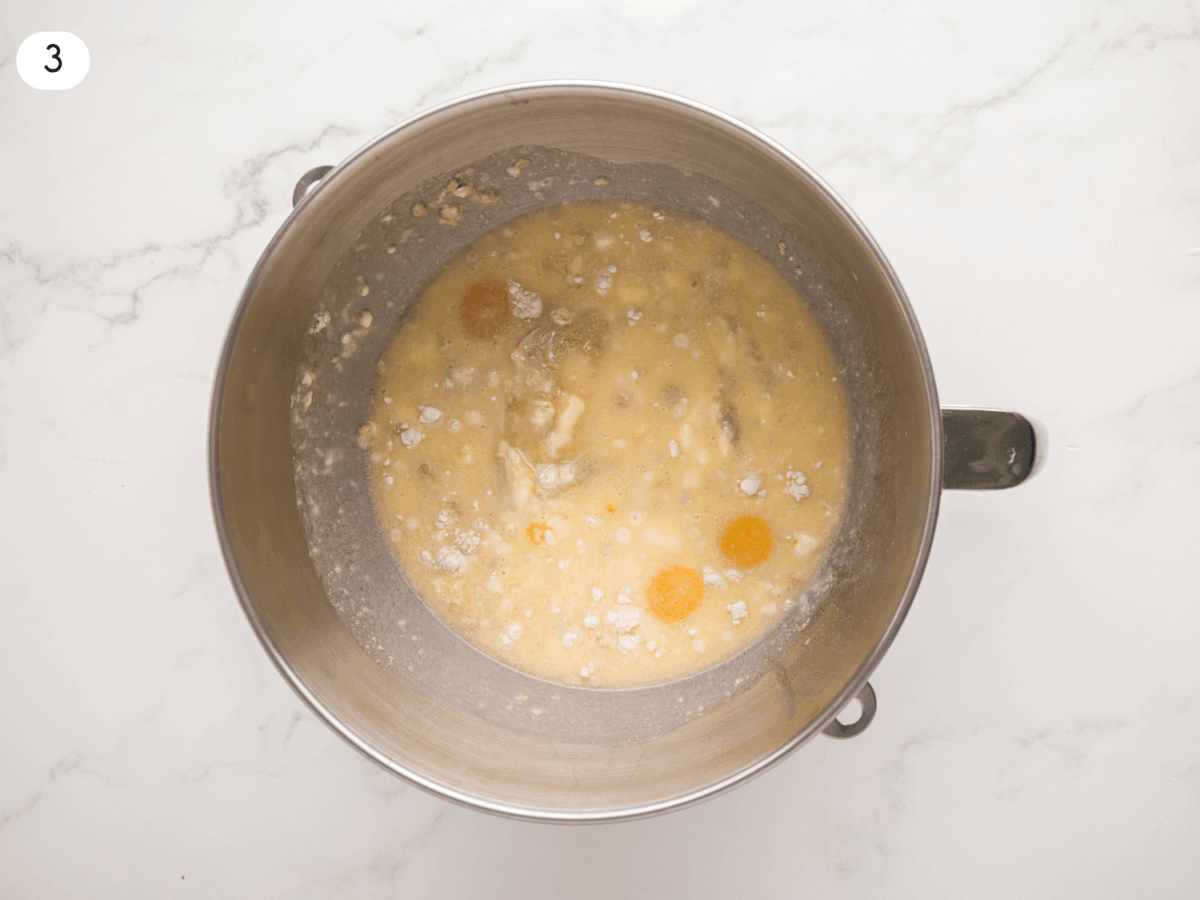
STEP 3: Add the Wet Ingredients – Pour the warm milk and melted butter mixture into the dry ingredients and add the egg yolks one at a time. Beat on low speed until combined, then gradually increase to a higher speed and beat for 2 minutes. At this point, the mixture will look more like a batter than bread dough. That’s exactly the texture you want.
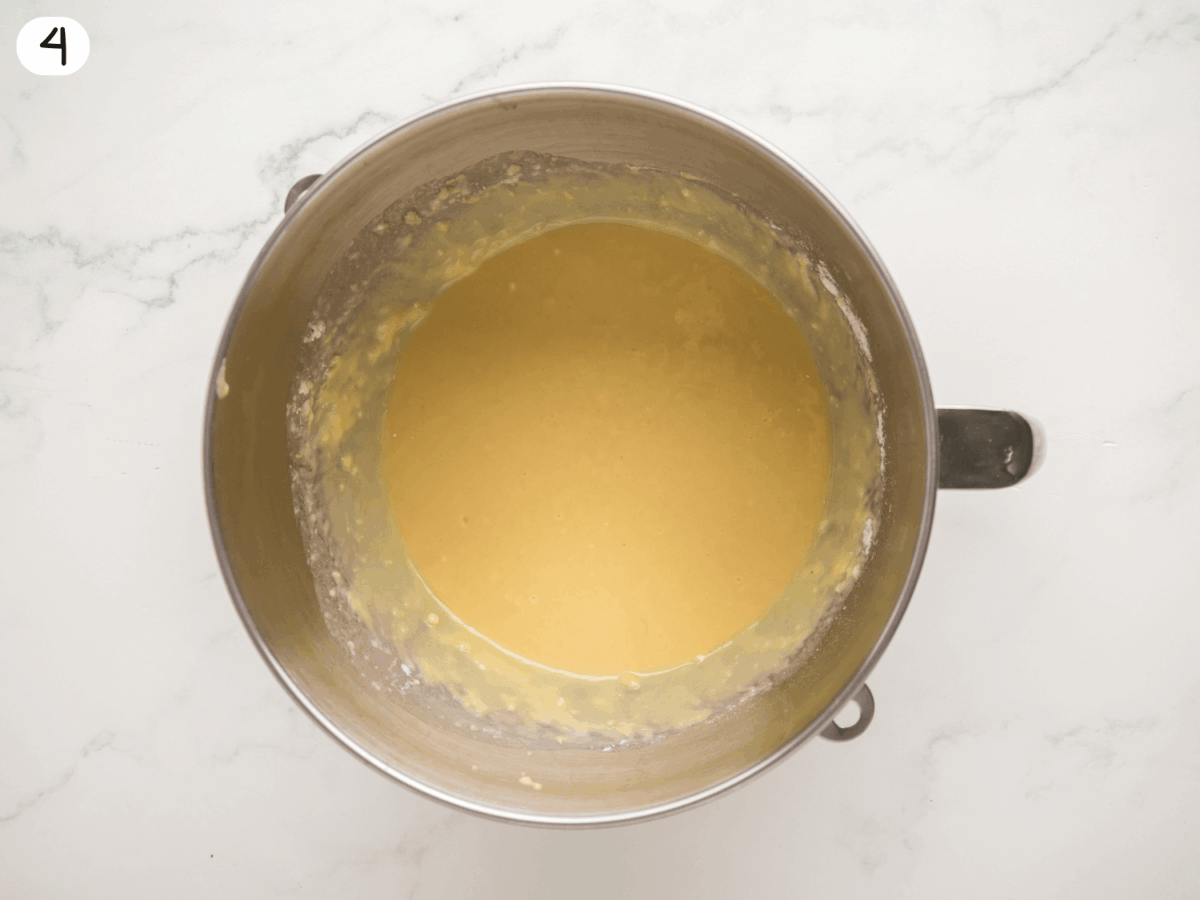
STEP 4: Add the Remaining Flour – Switch to the dough hook attachment. Then gradually add the remaining bread flour while kneading the mixture on low speed. You may need to scrape down the sides of the bowl at this step and continue kneading until the dough starts pulling away from the bowl and forming around the dough hook.
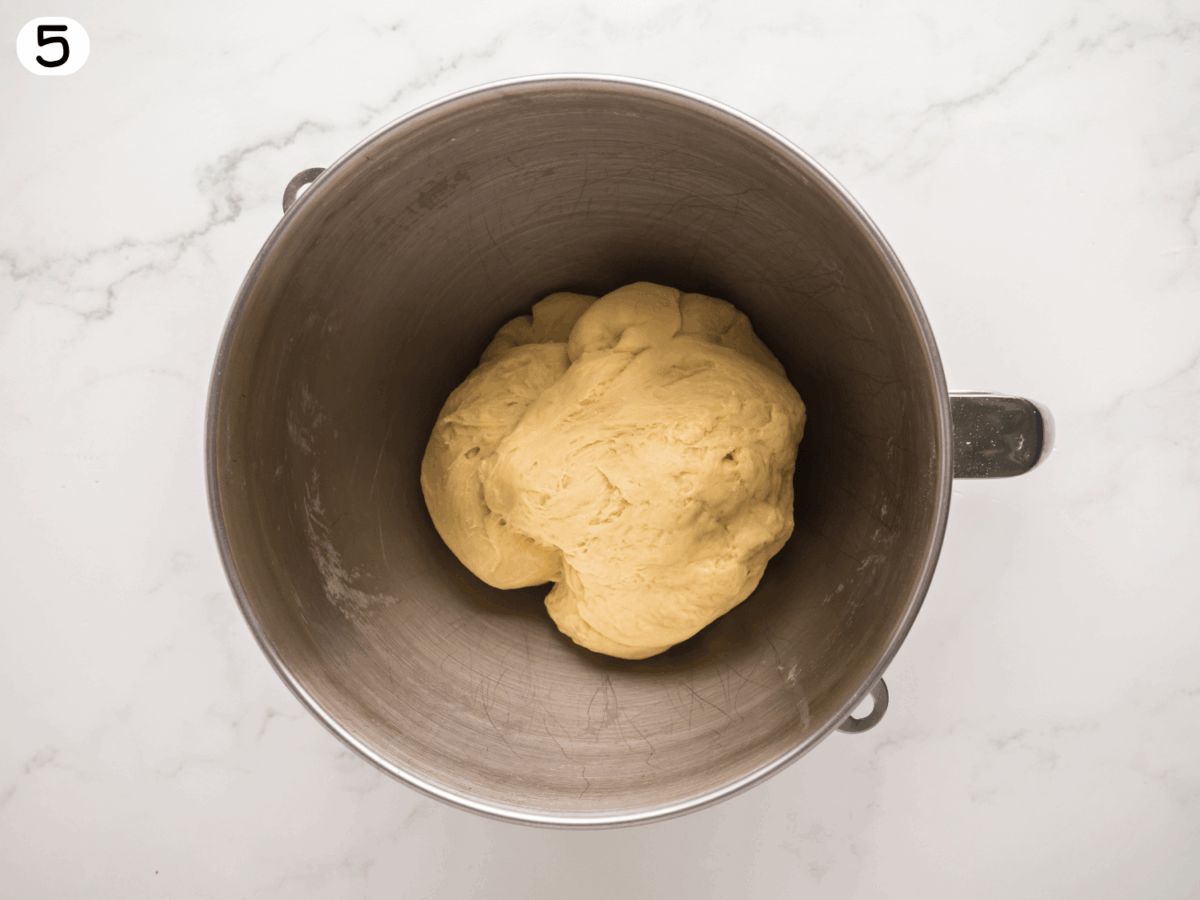
STEP 5: Knead the Dough – Increase the mixer to medium-low and knead for about 10 minutes, or until you have a smooth, supple, soft dough. If you do not have a stand mixer, you can remove the dough from the bowl and knead by hand at this step. To test it, tear off a small piece and gently stretch it between your fingers. If you can stretch it thin enough to see light through it without the dough immediately breaking, the gluten has developed properly.
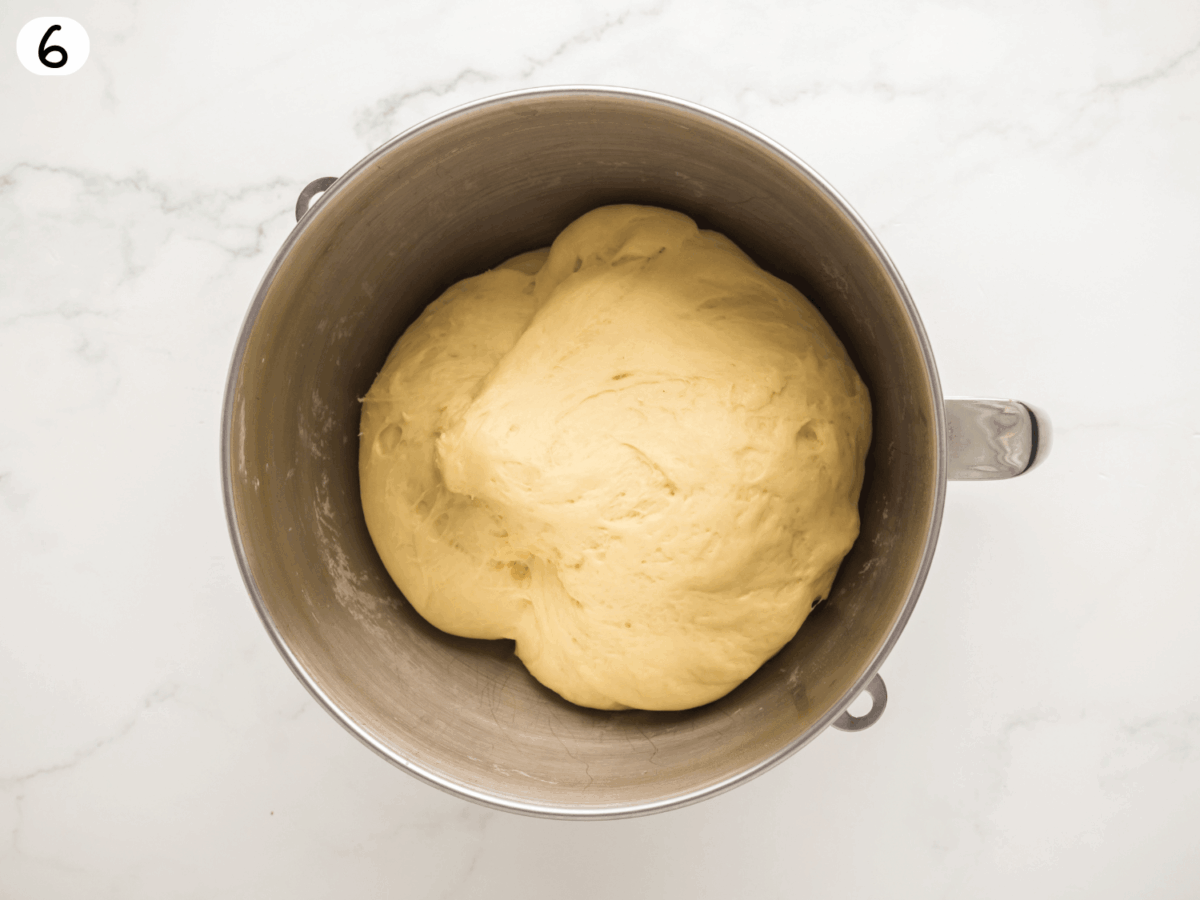
STEP 6: Let the Dough Rise – Place the dough in a large bowl and cover it with plastic wrap or a clean dish towel. Set it in a warm place (I like to use the inside of my oven with the light on) for about 1 hour, or until doubled in size. This is called your first rise, and the exact rise time can vary depending on the temperature of your kitchen.
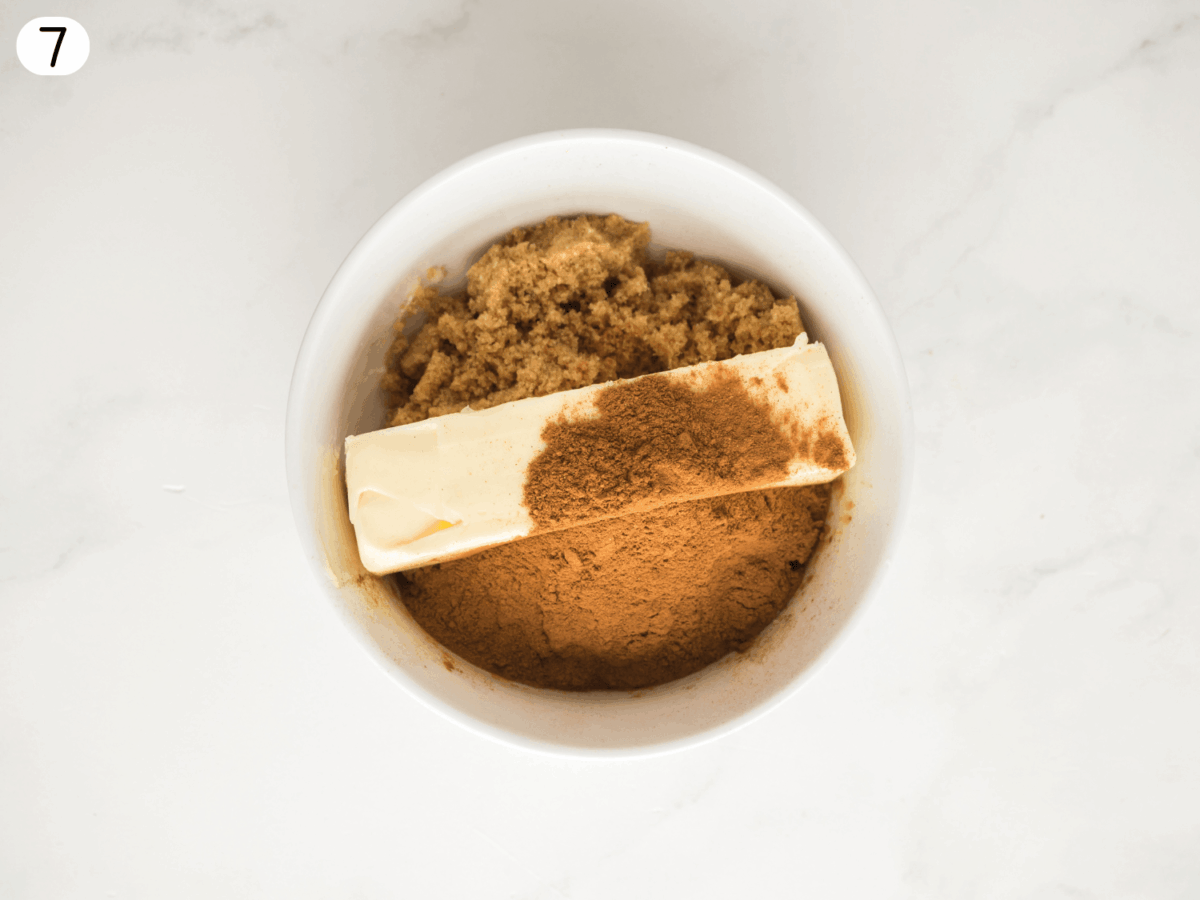
STEP 7: Make the Cinnamon Filling – While the dough finishes rising, combine the room-temperature butter, light brown sugar, cinnamon, and salt in a medium bowl. Mix with a silicone spatula until you have a thick cinnamon sugar filling paste. Set this aside.
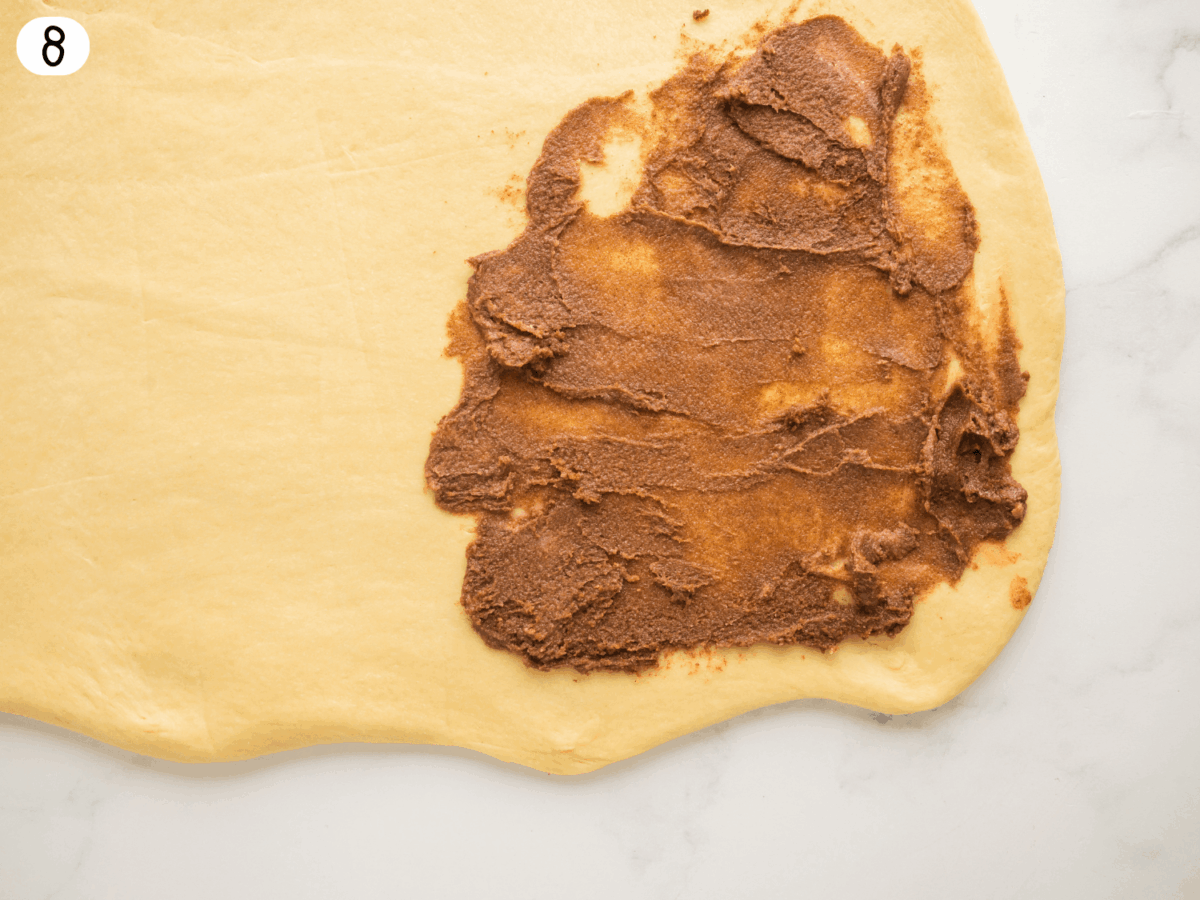
STEP 8: Roll Out and Fill the Dough – Transfer the risen dough to a lightly floured work surface. Using a rolling pin, roll it into a large rectangle approximately 12 inches long by 18 inches wide, positioning the wider side closest to you. Spread the brown sugar filling evenly across the entire surface of the dough, going all the way to the edges.
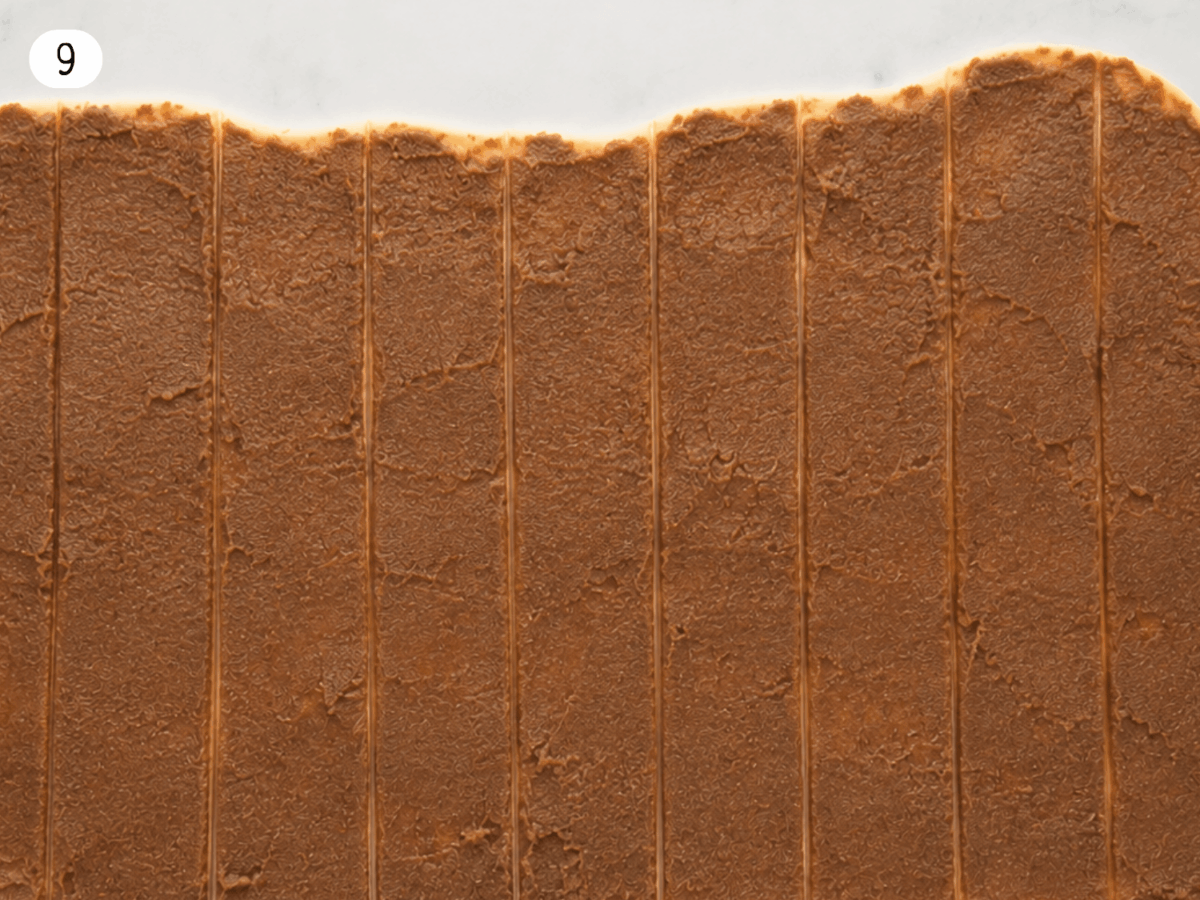
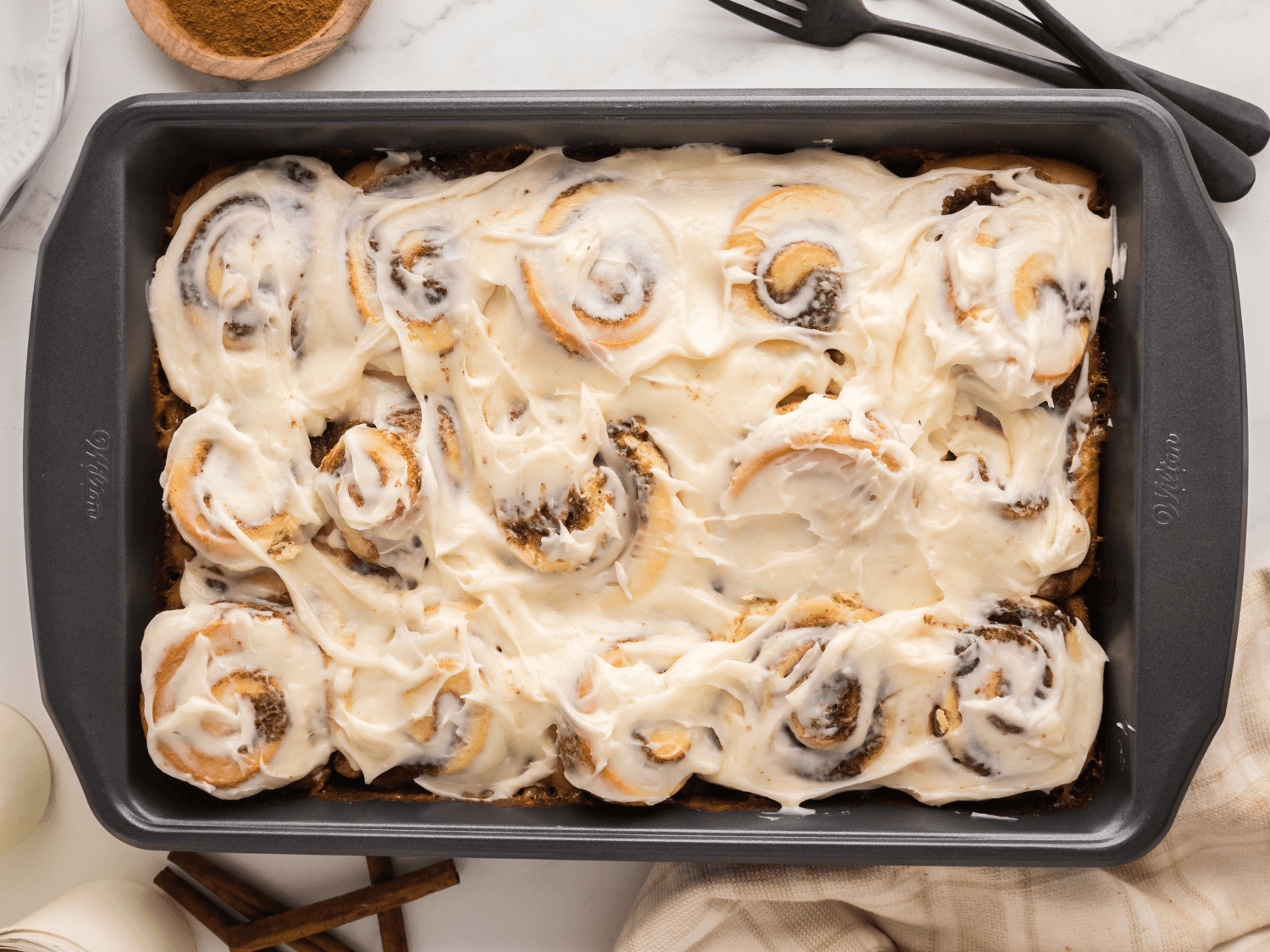
STEP 9: Cut and Shape the Rolls – There are a ton of different ways to cut cinnamon rolls. I find that it is easiest to cut the dough lengthwise into approximately 1-inch-wide strips. Roll each strip into a spiral and arrange the rolls in a 9 x 13-inch baking dish lined with parchment paper. From there, simply cover the baking dish with plastic wrap or a clean towel and place it in a warm spot for the second rise, about 1 hour or until the rolls are noticeably puffy and doubled in size.
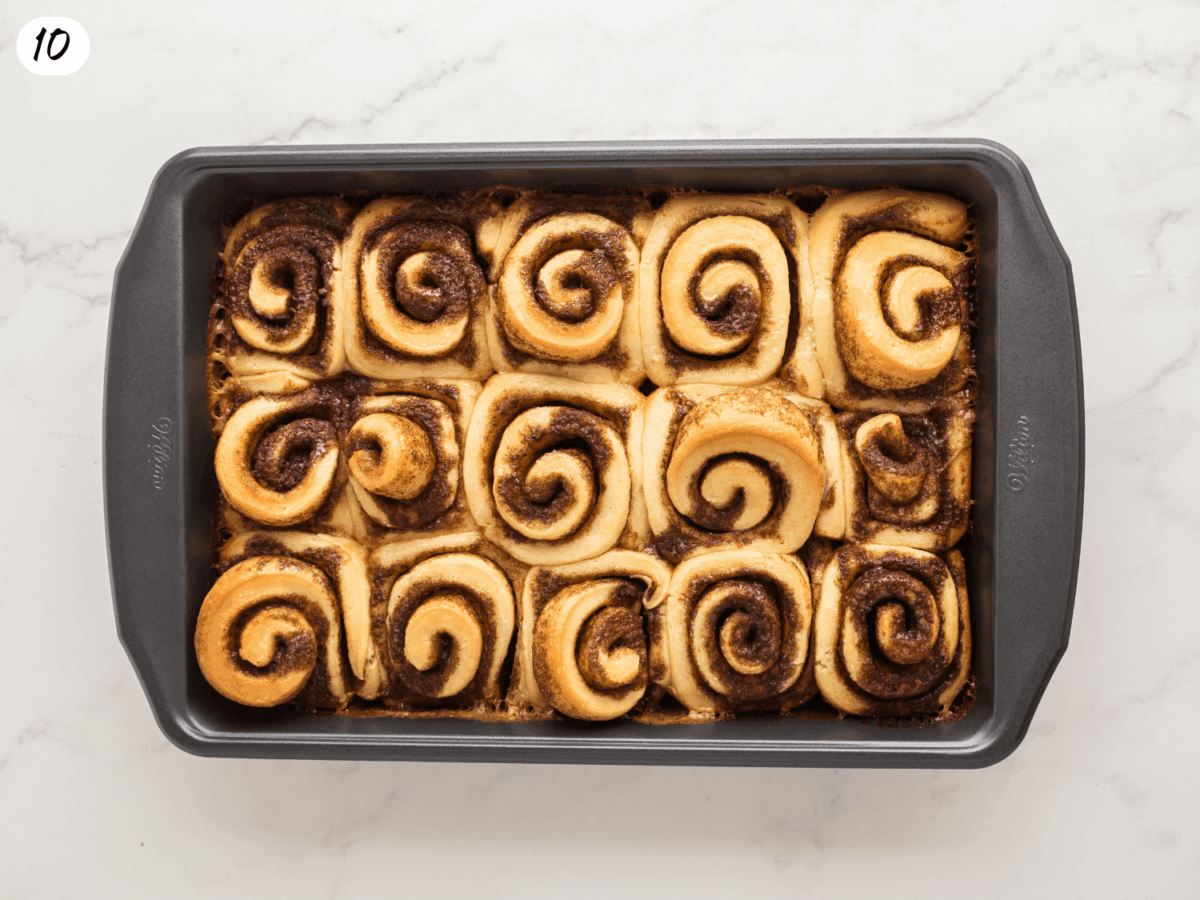
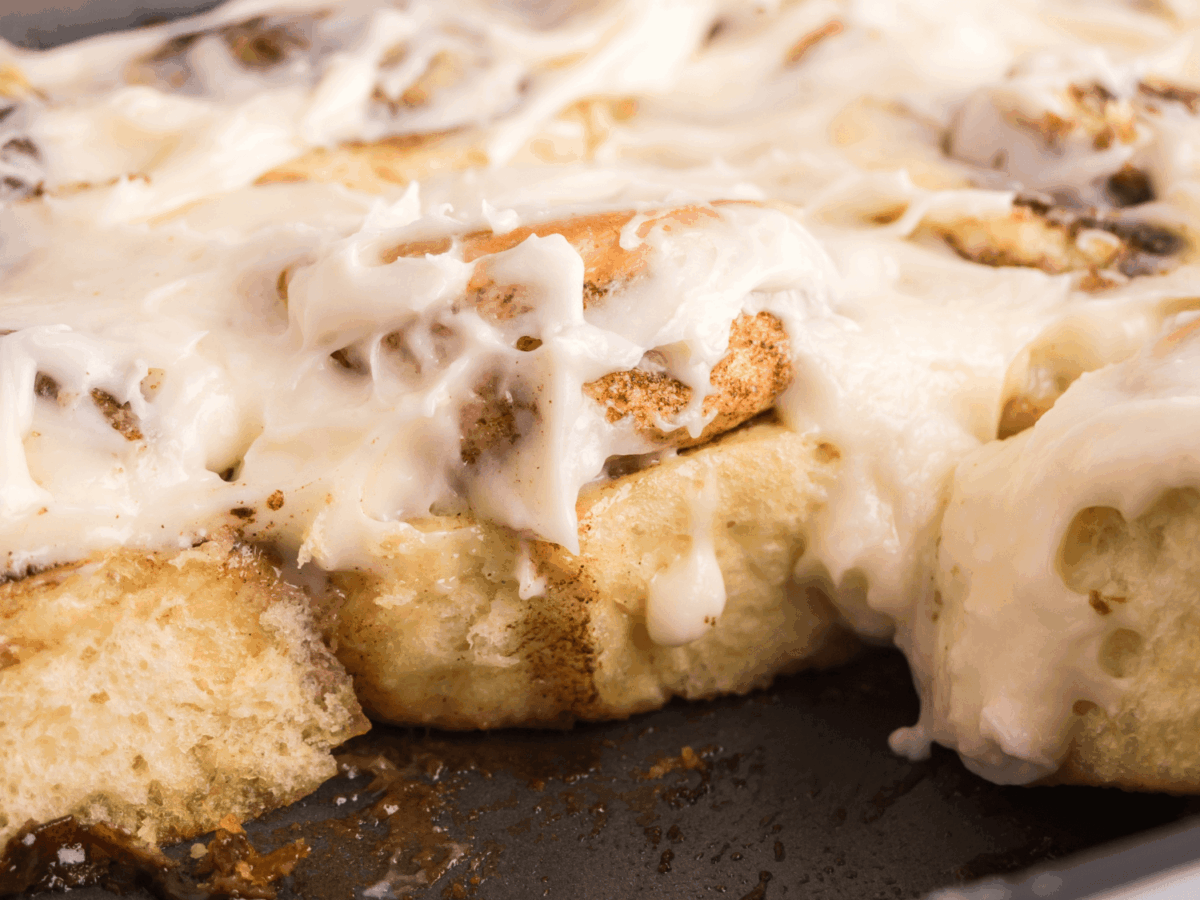
STEP 10: Add Heavy Cream and Bake – Preheat the oven to 350°F (177°C). Once the rolls have finished their second rise, remove the plastic wrap and evenly pour ½ cup heavy cream over the rolls. Bake for approximately 30 minutes, or until the tops are golden brown and the centers are baked through. Allow the rolls to cool for about 15 minutes before frosting.
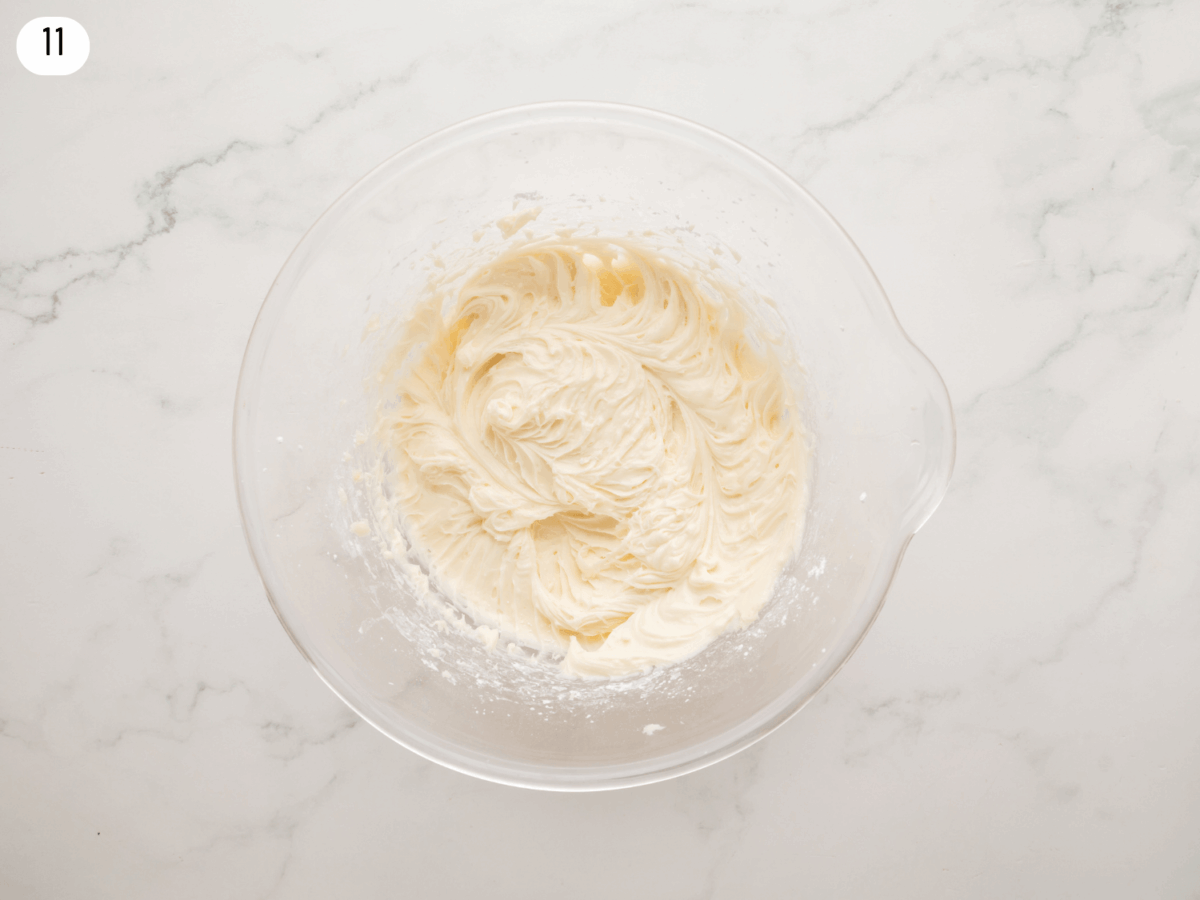
STEP 11: Make the Cream Cheese Frosting – While the cinnamon rolls are baking, this is the perfect time to make your frosting. Using the whisk attachment on your stand mixer, beat the softened cream cheese, butter, powdered sugar, milk, vanilla bean paste, and a pinch of salt. Start on low speed, then increase to medium-high and beat until light and fluffy.
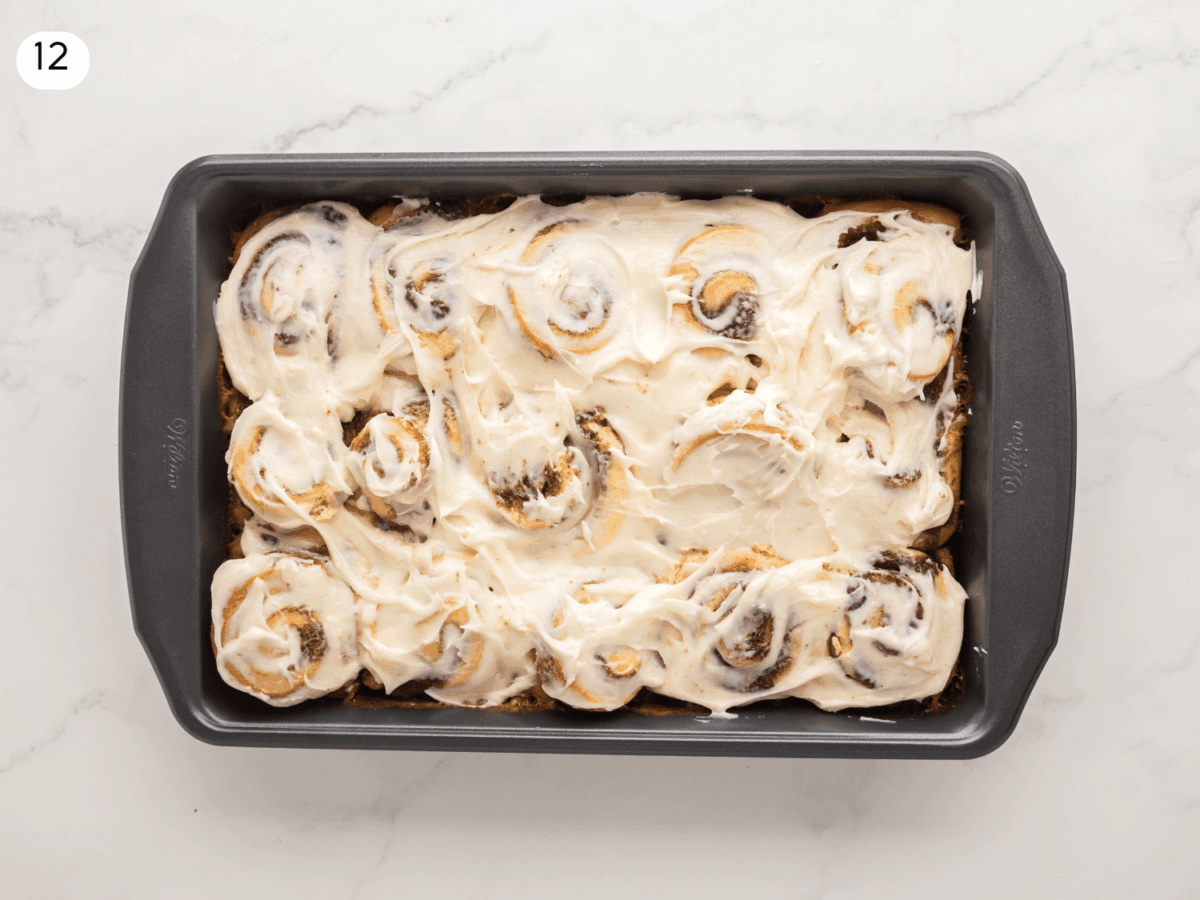
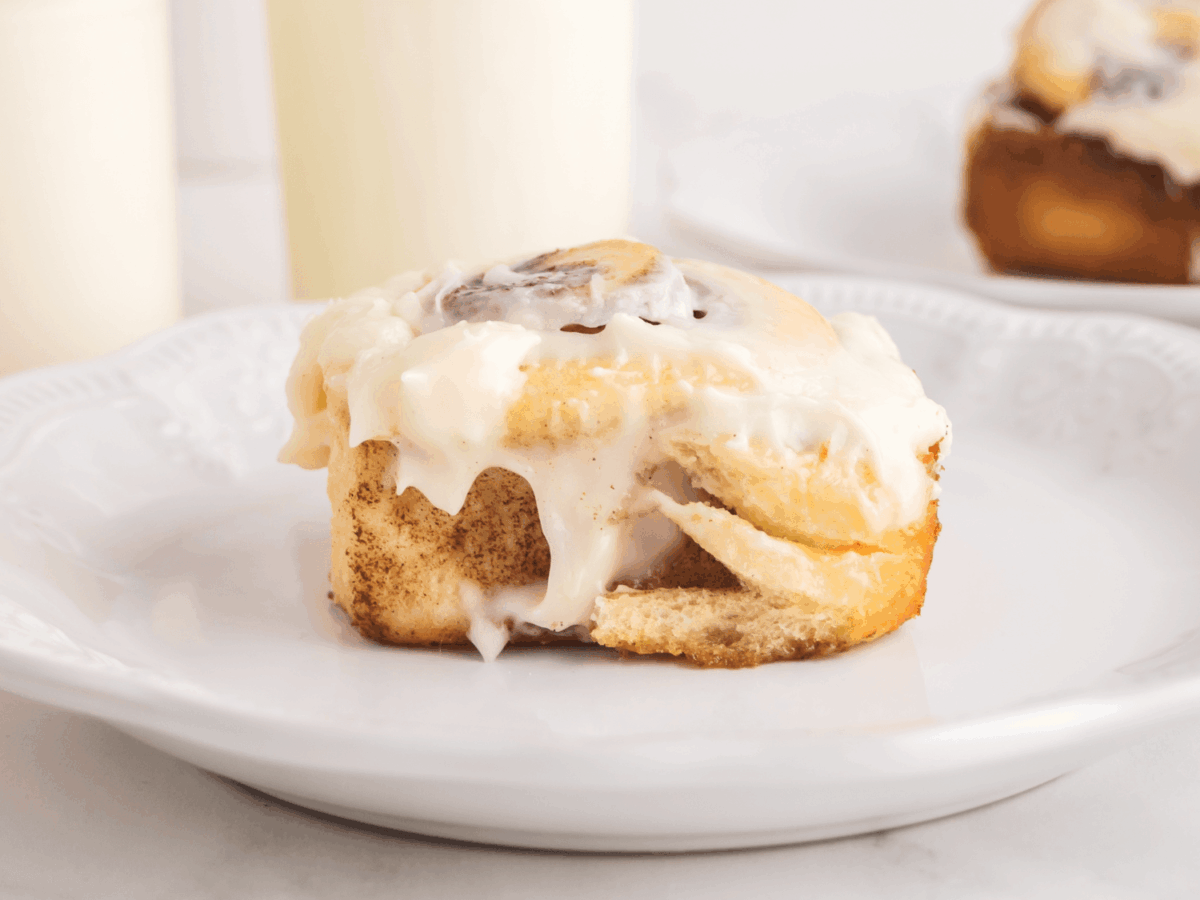
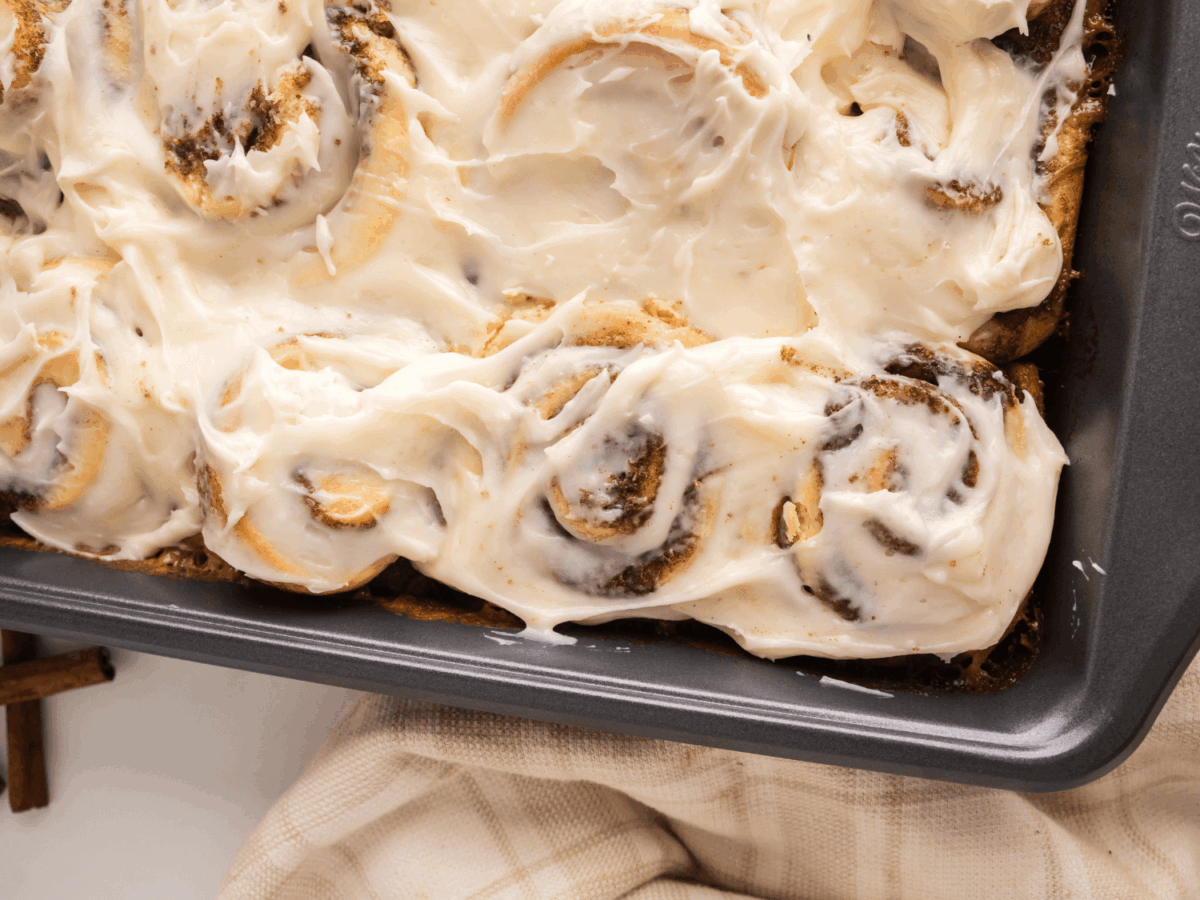
STEP 12: Spread and Enjoy – Spread the cream cheese frosting for cinnamon rolls all over the slightly warm rolls so a little of the frosting melts into all those cinnamon-filled layers. Serve warm and enjoy!
Substitutions & Variations
- All-purpose flour: Bread flour is my preference because of the protein structure and chew it provides, but all-purpose flour can work. Because different flours absorb liquid differently, avoid automatically adding the exact same amount if the dough reaches the correct consistency sooner.
- Active dry yeast: If you don’t have instant yeast, active dry yeast can be used. Just note it should first be activated first according to the package directions. This can also increase the rise time.
- Dark brown sugar: Swap the light brown sugar for dark brown sugar if you prefer a deeper molasses flavors.
- Vanilla extract: If you don’t have vanilla bean paste, use an equal amount of pure vanilla extract.
- Add nuts: Sprinkle finely chopped pecans or walnuts over the cinnamon filling before shaping the rolls.
Tips for Baking Cinnamon Rolls
Below you will find a list of tips I’ve picked up over the years in making cinnamon rolls:
- Don’t overheat your milk – The milk and butter mixture should be warm to touch rather than steaming hot. If the milk is too hot, you run the risk of killing the yeast, which will prevent the dough from rising.
- Don’t add too much flour – Cinnamon roll dough should remain soft and slightly tacky. Adding too much flour can result in dense rolls instead of soft, fluffy cinnamon rolls.
- Give the dough enough time to rise –Use the appearance of the dough rather than relying solely on the clock. Both the first rise and second rise should leave the dough noticeably larger and airy.
- Find a warm place – If your kitchen is cold, place the covered dough in a turned-off oven with the oven light on to create a warmer environment. This is my favorite kitchen hack to proof any bread.
- Use softened butter for the filling – Room-temperature butter combines more evenly with the cinnamon and brown sugar than melted butter and is less likely to leak out while shaping. Do not melt the butter.
- Don’t skip the heavy cream – For this recipe, heavy cream is one of the keys to creating the soft, gooey texture.
- Watch the tops while baking – If the cinnamon rolls are becoming too dark before the centers finish baking, loosely tent the baking dish with aluminum foil.
- Frost while they’re still slightly warm – This allows a little of the cream cheese icing to melt into the rolls without completely disappearing.
Storage & Freezing Tips
- How to Store Cinnamon Rolls: Because these rolls are topped with cream cheese frosting, I recommend storing any leftovers in an airtight container in the refrigerator. They will keep well for about 3 to 4 days.
- How to Reheat Cinnamon Rolls: For the best texture, warm individual cinnamon rolls briefly before serving in the oven.
- Freezing Cinnamon Rolls: If you plan to freeze thee cinnamon rolls, allow them to cool completely before placing them in an airtight container or freezer bag. These will freeze well for up to 2 months.
- Make Ahead Tips: These are a great dessert or breakfast item to make the night before. To make these the night before, prepare and shape the rolls, place them in your baking dish, cover tightly with plastic wrap, and refrigerate overnight before the second rise is complete. The next morning, all you have to do is take the rolls out of the fridge, allow them to come up to room temperature, pour on the heavy cream and bake according to recipe instructions.
More Dessert Recipes
If you enjoyed these cinnamon rolls, try one of my other cozy dessert recipes next:
- Cream Cheese Pound Cake
- Peanut Butter Cookies
- Apple Cider Donut Muffins
- Peach Pie
- French Vanilla Ice Cream
- Key Lime Pound Cake
FAQ
When should I add heavy cream to cinnamon rolls?
Pour the heavy cream evenly over the rolls after the second rise and immediately before they go into the oven.
Should heavy cream be warm before pouring it over cinnamon rolls?
It doesn't need to be hot. If the cream is very cold from the refrigerator, you can let it sit at room temperature briefly while the oven preheats.
What does using egg yolks do to cinnamon roll dough?
Egg yolks contain fat and emulsifiers that contribute richness, color, and tenderness to yeasted doughs. After testing this recipe with whole eggs and egg yolks, I preferred the softer, richer texture I achieved using yolks.
Why aren't my cinnamon rolls fluffy?
Dense or "heavy" cinnamon rolls can result from adding too much flour, not kneading the dough enough, insufficient rise time, or yeast that is no longer active. Look for a soft dough that develops enough gluten and noticeably increases in volume during both rises.
Recipe Card
Heavy Cream Cinnamon Rolls
Equipment
- Stand Mixer (or hand mixer if you do not have a stand mixer)
- Kitchen Scale (or measuring cups and spoons)
- Pizza Cutter (for cutting the dough into strips)
Ingredients
Cinnamon Roll Dough
- 4 ½ cups Bread Flour, (585g)
- ⅓ cup Granulated Sugar, (70g)
- 2 ¼ teaspoon Rapid Rise Instant Yeast, (1 packet)
- 1 teaspoon Salt
- 1 ½ cups Whole Milk, (360g)
- 6 tablespoons Unsalted Butter, (84g)
- 4 Egg Yolks, (room temperature)
- ½ cup Heavy Cream
CINNAMON SUGAR FILLING
- 10 tablespoons Unsalted Butter, (½ cup + the 2 leftover tablespoons of butter from dough. Room temperature. 140g)
- 1 cup Packed Light Brown Sugar, (142g)
- 2½ tablespoons Ground Cinnamon
- Pinch of Salt
CREAM CHEESE FROSTING
- 4 oz Cream Cheese, (room temperature)
- ½ cup Unsalted Butter, (room temperature)
- 3 cups Powdered Sugar, (336g)
- 2 tablespoons Whole Milk, (30g)
- 1 teaspoon Vanilla Bean Paste
- Pinch of Salt

Instructions
- In the bowl of a stand mixer fitted with the whisk attachment, combine 2 cups of the bread flour, sugar, yeast, and salt on low speed. If you don't have a stand mixer, you can mix the dough by hand using a large bowl, whisk, and wooden spoon, then knead by hand.
- Combine the milk and butter in a microwave-safe bowl and heat for about 45 seconds, until the butter is mostly melted and the milk is pleasantly warm, but not hot or steaming.
- Pour the warm milk mixture into the flour mixture and add the egg yolks one at a time. Mix on low until combined, then increase to a higher speed and beat for 2 minutes. Don't worry if it looks more like a thick batter at this point, that's the texture we're looking for.
- Switch to a dough hook and add 1 ½ cups of bread flour. Knead on low so the flour doesn't fly everywhere and continue until incorporated, scraping down the sides of the bowl as needed. Add the remaining flour and continue kneading until the dough begins to pull away from the bowl and gather around the hook.
- Increase to medium-low speed and knead for about 10 minutes. The dough should be smooth, supple, and slightly tacky. To test it, gently stretch a small piece between your fingers. If it stretches thin enough to see light through without tearing, it's ready.
- Place the dough in a lightly greased bowl and cover with plastic wrap or a clean kitchen towel. Let it rise in a warm place for about 1 hour, or until it has doubled in size.
- While your dough is resting, you can make the filling. The do so, stir together the softened butter, brown sugar, cinnamon, and salt in a medium bowl until you have a thick, spreadable paste. Set this aside until the dough has doubled in size.
- Turn the risen dough onto a lightly floured surface and roll it into a 12 x 18-inch rectangle. Spread the cinnamon filling generously over the dough, going all the way to the edges.
- Cut the dough into approximately 1-inch-wide strips. Roll each strip into a spiral and arrange in a parchment-lined 9 x 13-inch baking dish. Cover and let rise in a warm place for about 1 hour, or until the rolls are beautifully puffy and nearly doubled in size.
- Preheat the oven to 350°F (177°C). Pour the heavy cream evenly over the risen rolls, making sure a little finds its way between them. Bake for about 30 minutes, until the tops are golden brown and the centers are baked through. Let cool for about 15 minutes.
- While the cinnamon rolls cool off, you can make the cream cheeses frosting. To do so, beat the softened cream cheese, butter, powdered sugar, milk, vanilla bean paste, and salt on low until combined. Increase to medium-high and beat for about 1 minute, until light and fluffy. Add a splash more milk if needed to reach your preferred consistency.
- Spread the cream cheese frosting generously over the warm cinnamon rolls, letting a little melt down into all those cinnamon-sugar swirls. Serve while they're still warm and gooey. Enjoy!
Notes
- Measure the flour carefully: For the softest rolls, weigh your bread flour when possible. Too much flour can make the dough dense or dry.
- Keep the milk warm, not hot: The milk and butter mixture should feel comfortably warm to the touch. If it’s too hot, it can damage the yeast and keep your dough from rising.
- Give the dough time to rise: Rise times are a guide. Let the dough double in size during the first rise and become noticeably soft and puffy during the second.
- Don’t skip the egg yolks: Using egg yolks instead of whole eggs gives the dough a richer flavor and wonderfully soft, tender texture.
- Don’t skip the heavy cream: Pouring heavy cream over the rolls just before baking helps create those extra-soft, gooey centers.
- Use softened butter for the filling: Softened butter creates a thick cinnamon-brown sugar paste that stays in the rolls better than melted butter.
- Watch while baking: If the tops become golden before the centers are finished, loosely cover the pan with aluminum foil and continue baking.
- Frost while warm: Let the rolls cool for about 15 minutes before frosting. They’ll still be warm enough to soften the cream cheese icing without completely melting it.
Nutrition
Nutrition information is automatically calculated, so should only be used as an approximation.
Craving More?
If you make these cinnamon rolls with heavy cream, I would love to see how they turn out! Tag me on Instagram @elicitfolio, follow along on Pinterest for more recipes, or leave a comment below and tell me which cozy dessert recipe you’d like to see me make next.



These are so good. Using heavy cream really gives these homemade cinnamon rolls an extra kick of richness. We enjoyed them.
Cinnamon rolls are my very favorite pastry! I like it even better than chocolate. it’s been a long time since I’ve made them, and I have to try this one soon!
You had me at heavy cream. I love my cinnamon rolls with lots of cream. These are always perfect for breakfast.
I baked these for breakfast and they came out incredibly soft and fluffy. The heavy cream made them extra rich and tender!
Pouring warm cream right before baking always keeps baked goods soft for days. My mom tried that trick once and it turned out super fluffy. Now I am craving breakfast pastries.
I love cinnamon rolls, and this heavy cream icing sounds delicious. This would be so perfect for a brunch.
Wow. reminds me of the old cinabons. What could be better? Definitely will make this soon.
I don’t remember the last time I had a cinnamon roll. This is definitely an indulgence and probably a once a year indulgence. They look so dangerously delicious! 😋